
A project sponsor is a key stakeholder who provides the budget, resources, and support necessary to initiate and complete the project. The sponsor can be a person or an organization. They initiate the project and approve the final deliverables; they are also known as the executive sponsor.
A project sponsor can be either internal to the organization or external. Every project has at least one sponsor. They prepare the business case and sign the project charter. While they do not handle daily tasks, they review progress at a higher level.
Any changes to project objectives or baselines need the sponsor’s approval. The sponsor can change the project scope and has the authority to add or remove goals. Sometimes, the project sponsor is referred to as the client.
If a third party gives the organization a contract, that third party becomes the sponsor and provides the funding. If the organization starts the project to meet its own business needs, someone within the organization acts as the project sponsor.
The Role of a Project Sponsor
Below are the key roles of a project sponsor:
1. Conducting a Project Feasibility Study
The project sponsor starts by conducting a feasibility study. They analyze the project’s costs, benefits, risks, and alignment with business goals. This process helps decide whether the project is worth starting. The output is a business case that justifies the project.
If the study demonstrates that the project is beneficial and aligns with the organization’s strategy, the sponsor approves it and defines the project’s goal.
2. Completing Project Governance
The sponsor signs the project charter, officially commencing the project. They appoint the project manager and provide them with the necessary authority, budget, and resources to complete the project. Throughout the project, the sponsor monitors progress and steps in if things go off track.
If changes are needed—such as scope, timeline, or cost adjustments—the project sponsor approves them.
3. Validating Deliverables
When the project concludes, the sponsor reviews the deliverables to ensure they meet expectations. Once satisfied, they formally accept them. After acceptance, they help the organization gain the benefits of the deliverables.
If needed, the sponsor collaborates with the project manager during this benefit realization phase to resolve any issues or obtain additional support.
4. Ensuring the Flow of Information
The project sponsor acts as a key communication link between the organization, stakeholders, and the project team. If external factors—such as new government policies or market changes—impact the project, the sponsor informs the project manager and helps adjust the plan.
They ensure that important information flows smoothly, allowing the project manager to take timely corrective or preventive actions.
5. Supporting Project Success in Other Ways
- Shares their knowledge and experience with the project team
- Helps resolve sales, marketing, or customer-related issues
- Approves major project milestones and reviews their completion
- Makes important high-level decisions
- Supports communication and teamwork between the project team, stakeholders, and customers
- Acts as a spokesperson and represents the project in front of senior leadership
- Helps secure funding and participates in budget discussions
What are the Responsibilities of a Project Sponsor Throughout the Project Lifecycle?
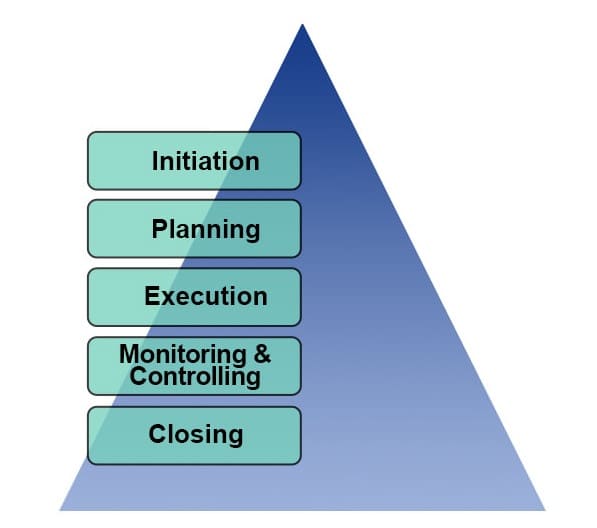
A project sponsor plays a vital role at every stage of a project. They guide the project from start to finish, ensure it aligns with business goals, and provide support, decisions, and oversight. Below are their responsibilities at each phase of the project life cycle.
Initiation Phase
During the initiation phase, the project sponsor defines the project’s purpose and ensures it aligns with organizational goals. They approve the business case, sign the project charter, and appoint the project manager. Their involvement helps establish a clear direction and provides the authority to begin the project officially.
Key responsibilities:
- Approve or review the business case and feasibility study
- Set the project’s goals and objectives
- Sign the project charter
- Appoint the project manager
- Secure initial funding and resources
- Communicate the project purpose to stakeholders
Planning Phase
In the planning phase, the sponsor supports the creation of detailed plans. They offer input, review key documents, and ensure the plans are realistic and achievable. Their approval is crucial before the team starts work, and they also help identify major risks and milestones.
Key responsibilities:
- Provide input for developing project plans
- Review and approve project baselines (scope, time, cost)
- Ensure plans align with business needs and are realistic
- Identify and evaluate key risks
- Approve major milestones
Execution Phase
During execution, the project manager handles daily tasks, but the sponsor remains available for strategic decisions. They help remove roadblocks, resolve critical issues, and maintain stakeholder engagement. The sponsor also ensures the project receives continued organizational support throughout this phase.
Key responsibilities:
- Support high-level decision-making
- Resolve major issues outside the project manager’s authority
- Ensure the continued availability of resources
- Communicate with senior stakeholders
- Promote executive and customer engagement
Monitoring and Controlling Phase
In this phase, the sponsor monitors project performance through reports and updates. If the project deviates from the plan, the sponsor works with the project manager to take corrective actions. They also approve changes to the project and help manage major risks or conflicts.
Key responsibilities:
- Review progress and performance reports
- Approve or reject change requests
- Help correct project deviations
- Resolve escalated issues and risks
- Ensure alignment with organizational goals
Closing Phase
At the end of the project, the sponsor reviews the final deliverables to ensure they meet requirements. They formally accept the outcomes and confirm the project’s completion. The sponsor also supports benefit realization and may participate in lessons learned discussions to improve future projects.
Key responsibilities:
- Review and approve final deliverables
- Accept completed project outcomes
- Confirm benefit realization
- Approve formal project closure
- Participate in lessons learned sessions
Project Sponsor Vs Project Manager
The project sponsor and project manager have different roles. The project sponsor initiates the project, appoints the project manager, and provides the necessary funding and resources to complete the work. They approve the project plans, review progress reports, offer guidance, and accept the final deliverables. Sponsors focus on the big picture and make sure the project aligns with business goals.
The project manager handles the day-to-day work. They lead the project team, follow the approved plan, and ensure tasks are completed on time and within budget. The project manager utilizes the resources provided by the sponsor to execute the project. They track progress, solve problems, and report regularly to the sponsor.
While the sponsor makes high-level decisions, the project manager focuses on managing tasks, people, and deadlines.
Project Sponsor Vs Project Owner
The project sponsor is a senior leader who approves the project, provides funding and resources, and ensures it supports the organization’s goals. They make high-level decisions, appoint the project manager, and accept the final deliverables. Sponsors focus on strategic alignment and provide top-level support throughout the project.
The project owner is more common in agile projects. They are responsible for ensuring the project delivers business value.
The project owner collaborates closely with the project manager and team, leading the project and overseeing day-to-day activities. They act as a bridge between the sponsor and the team. Along with the sponsor, the project owner champions the project and helps gain support from key stakeholders. They also ensure that business needs are clearly understood and translated into project requirements.
Project Sponsor Vs Project Stakeholder
A project stakeholder is anyone who has an interest in the project or is affected by its outcome. This includes people or groups inside or outside the organization—such as the project sponsor, project manager, team members, senior management, clients, government bodies, and local communities. Stakeholders can positively or negatively influence the project and may have varying levels of involvement.
A project sponsor is a specific type of stakeholder with a clearly defined role. The sponsor provides funding, approves the project, and ensures it aligns with business goals. They make key decisions, appoint the project manager, and accept the final deliverables. While all sponsors are stakeholders, not all stakeholders are sponsors.
What Skills Should a Project Sponsor Have?
A project sponsor requires a combination of leadership, communication, and decision-making skills to guide a project successfully. They must understand the business goals and be able to align the project with those goals. Good sponsors also know how to manage resources effectively, resolve conflicts, and provide support to the project manager.
The following are the key skills a project sponsor should have:
- Leadership: Inspire and motivate the project team and stakeholders. Provide clear direction and support.
- Decision-Making: Make timely, high-level decisions to keep the project moving and resolve critical issues.
- Communication: Clearly communicate expectations, goals, and project updates to the project manager, team, and stakeholders.
- Business Understanding: Understand the organization’s strategy, market, and how the project fits into overall goals.
- Financial Management: Oversee the project budget to ensure resources are utilized efficiently.
- Risk Management: Identify and help manage risks that could affect project success.
- Stakeholder Management: Build strong relationships and gain support from key stakeholders and senior leaders.
- Problem-Solving: Help remove obstacles and solve challenges that may block the project’s progress.
- Negotiation: Negotiate for resources, timelines, and support with senior management and stakeholders.
Summary
A project sponsor is a key person who starts and supports a project. They provide the budget, resources, and authority needed to complete the work. The sponsor appoints the project manager and approves plans and changes. They monitor progress from a high level and help solve big problems.
The project sponsor reviews and accepts the project deliverables. They ensure the project aligns with business goals and helps the team succeed.
Further Reading:
- What is Project Management?
- Business Case: Definition, Example, and Template
- How to Conduct a Feasibility Study?
- Product Manager Vs Project Manager
- Program Manager Vs Project Manager
References:

I am Mohammad Fahad Usmani, B.E. PMP, PMI-RMP. I have been blogging on project management topics since 2011. To date, thousands of professionals have passed the PMP exam using my resources.




Wow!