Many professionals use the terms “sourcing” and “procurement” as if they mean the same thing. In reality, they play different roles in supply chain management.
Sourcing focuses on identifying the right suppliers and establishing long-term partnerships, while procurement handles the actual process of purchasing goods and services. Understanding the difference helps you cut costs, mitigate risks, and foster strong supplier relationships that support business growth and success.
Both functions are essential, and when aligned, they create a smooth and efficient supply chain.
In this blog post, I will explain sourcing and procurement, as well as the differences between them, and how they work together.
What is Sourcing?
Sourcing is the process of identifying and selecting suppliers that can provide the necessary goods or services. It is more than just picking the cheapest option. Here, you look at quality, reliability, cost, location, and even ethical practices before choosing a supplier.
The goal of sourcing is to secure vendors who align with the company’s standards and long-term objectives. Strong sourcing practices help reduce risks, ensure a steady supply, and create opportunities for innovation through strategic partnerships.
You often have to compare multiple suppliers, negotiate contracts, and evaluate performance to make informed decisions. By focusing on the bigger picture, sourcing ensures that you not only save money but also build lasting relationships that support growth and sustainability.
What is Sourcing Process?
The sourcing process is as follows:
Assessing Business Needs
The process begins by understanding what your business requires. This includes the type of goods or services, the quantity, the quality standards, and the budget. A clear assessment ensures the sourcing team knows precisely what to look for in a supplier.
Identifying suppliers
After needs are precise, the next step is to search for potential suppliers. You may look locally, internationally, or through online platforms. The goal is to compile a list of suppliers that can meet the requirements.
Evaluating and Comparing Suppliers
Suppliers are then evaluated based on factors such as cost, quality, reliability, location, capacity, and adherence to ethical practices. You compare these aspects to shortlist the best options.
Negotiating Contracts
Once the best suppliers are identified, you negotiate terms such as pricing, delivery schedules, payment conditions, and service levels. The goal is to secure value and minimize risks.
Onboarding Suppliers
Finally, the chosen suppliers go through an onboarding process. This includes setting up contracts, sharing company policies, and integrating them into systems to ensure a smooth start in providing goods or services.
What is Procurement?
Procurement includes the entire cycle of acquiring goods or services, from selecting suppliers to final delivery. It manages everything from raising purchase requests to making final payments. The process ensures that the right products or services are delivered on time, at the agreed quality, and within budget.
Procurement is not just about buying; it also involves verifying purchase orders, coordinating with suppliers, receiving and inspecting deliveries, and handling invoices. You use procurement to ensure compliance, manage costs, and optimize operations.
Effective procurement also improves supplier communication, reduces errors, and ensures transparency in transactions. By managing each step carefully, procurement helps you meet your needs efficiently while keeping costs under control and ensuring business continuity.
What is Procurement Process?
You can follow the following process for a procurement process:
Creating Purchase Requisition
The process starts when a department identifies a need for goods or services. A purchase requisition is raised, outlining details such as item description, quantity, specifications, and budget approval. This document ensures transparency and prevents unnecessary purchases.
Selecting Supplier
Once the requisition is approved, the procurement team selects the most suitable supplier. This may involve reviewing existing contracts, getting quotes, or negotiating with shortlisted vendors to secure the best terms.
Signing Purchase Order
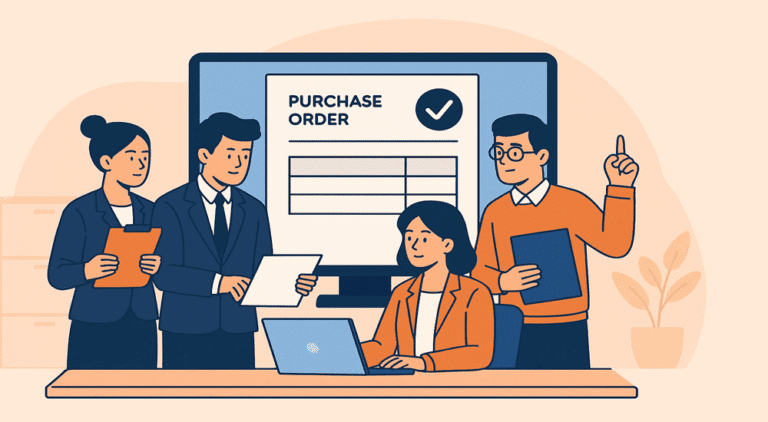
A purchase order (PO) is then issued to the chosen supplier. The PO serves as a legal document that confirms the order details, agreed pricing, delivery dates, and terms of service.
Fulfilling the Order
The supplier delivers the goods or services as per the PO. You inspect the delivery to confirm it meets the required specifications, quality standards, and timelines.
Invoice and Payment
After delivery, the supplier sends an invoice. The procurement and finance teams review it against the PO and delivery notes. Once verified, payment is released, completing the procurement cycle.
Sourcing Vs Procurement
The following table shows the key difference between sourcing and procurement:
| Parameter | Sourcing | Procurement |
| Focus | Finding and managing suppliers | Acquiring goods and services |
| Goal | Long-term value and supplier quality | Cost efficiency and smooth operations |
| Timeframe | Strategic and long-term | Day-to-day and short-term |
| Stakeholders | Procurement managers, supply chain | Finance teams, operations, end-users |
| Activities | Supplier selection, contracts | Orders, delivery, payments |
How Sourcing and Procurement Work Together?
Sourcing and procurement are closely connected, although they serve distinct purposes. Sourcing focuses on identifying, evaluating, and establishing relationships with the right suppliers, while procurement manages the day-to-day activities of acquiring goods and services from these suppliers. Together, they form a continuous cycle that keeps the supply chain running smoothly.
Sourcing lays the foundation by ensuring reliable, cost-effective, and ethical suppliers are in place. Procurement then uses these established partnerships to manage orders, track deliveries, and make payments. When aligned, sourcing and procurement reduce costs, minimize risks, and improve efficiency.
This collaboration ensures you not only get the right products but also maintain strong, long-term supplier relationships.
Summary
Sourcing and procurement may seem similar, but they play unique roles in supply chain management. Sourcing focuses on building long-term supplier relationships and ensuring quality, while procurement manages the day-to-day purchasing and payment processes. When both work together, they create a balanced approach that reduces risks, saves costs, and improves efficiency.
Understanding their differences helps you make more informed decisions and strengthen their supplier partnerships. By aligning sourcing and procurement, you can achieve sustainable growth and long-term success.
Further Reading:
- What is the Procurement Process?
- Types of Procurement Contracts used in Project Management
- 24 Essential Procurement KPIs You Can Use in Your Organization
- What is a Contract?
- 9 Essential Contract Documents in Project Management
Reference:

I am Mohammad Fahad Usmani, B.E. PMP, PMI-RMP. I have been blogging on project management topics since 2011. To date, thousands of professionals have passed the PMP exam using my resources.