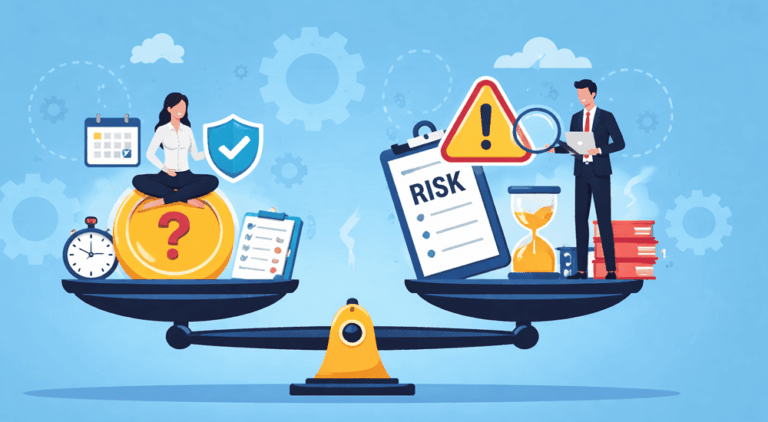
You must work with vendors to obtain products or services. Vendors supply raw materials, equipment, technology, or services that keep your operations running. Managing these vendors well is important for cost control, efficiency, and growth. Without a robust process, you may face delays, compliance issues, and poor vendor relationships.
This is where a Vendor Management System (VMS) becomes useful. A VMS is a software tool that helps you organize, monitor, and control all activities related to vendors. It centralizes vendor data, automates workflows, and reduces manual work.
You can use a VMS to select vendors, create contracts, track performance, ensure compliance, and handle payments.
In this blog post, I will provide an overview of vendor management systems. You will learn what a VMS is, its features, benefits, challenges, best practices, and future trends.
What is a Vendor Management System?
A Vendor Management System (VMS) is software that helps you handle all activities with your vendors in one place. Instead of using spreadsheets or scattered emails, a VMS centralizes vendor data and automates important tasks.
You can use it to select and onboard suppliers, manage contracts, track performance, ensure compliance, and process payments. The system provides real-time dashboards and reports, enabling managers to identify which vendors perform well and which require improvement quickly.
A VMS reduces risks by monitoring certifications and sending alerts for renewals. By saving time, cutting costs, and improving vendor relationships, a VMS makes vendor management more efficient, reliable, and transparent.
What is the Importance of a Vendor Management System?
A Vendor Management System is important because it gives you full control over your vendor network. It improves efficiency by centralizing all vendor activities, such as onboarding, contract management, performance tracking, and payments. This reduces manual work, saves time, and cuts costs.
A VMS also enhances compliance by monitoring certifications and alerting managers in advance of deadlines. This prevents penalties and ensures vendors meet industry standards. With built-in reporting tools, you gain real-time insights into vendor performance and spending. This enables leaders to make more informed, data-driven decisions.
By tracking risks and improving transparency, a VMS builds trust between you and vendors. It ensures smooth operations, reduces risks, and supports long-term growth.
Core Features of a VMS
A Vendor Management System includes key features that help you select the right vendors, manage contracts, ensure compliance, and track performance—all from one platform.

The following are the key core features of a VMS:
Vendor Selection and Onboarding
A vendor management system streamlines vendor selection and onboarding by automating evaluation, background checks, and approval processes. This process ensures only qualified vendors join the company’s network, reducing risks and saving time. It helps you quickly build a reliable vendor base for smooth operations and growth.
Contract Management
With a vendor management system, you can easily create, store, and manage all contracts in one secure platform. The system tracks deadlines, pricing, and service-level agreements (SLAs), while also sending reminders for renewals. This ensures clarity, reduces risks, and helps companies stay compliant and organized.
Performance Monitoring
A vendor management system tracks key performance indicators (KPIs), including delivery time, product quality, and compliance levels. Real-time dashboards display vendor scores, enabling managers to identify strengths or weaknesses quickly. This visibility supports better decision-making and encourages vendors to deliver high-quality results consistently.
Invoicing and Payments
Vendors can submit invoices directly within the system, which helps reduce errors and saves time. Automated approvals expedite the payment process and reduce the likelihood of disputes. By ensuring timely payments, you strengthen vendor relationships, improve trust, and gain more control over financial transactions.
Compliance Tracking
A vendor management system tracks and monitors essential documents, including certifications, licenses, and insurance papers. Automated alerts notify managers before expiration dates, ensuring vendors remain compliant with industry standards and regulations. This proactive process prevents risks, avoids penalties, and gives businesses peace of mind regarding vendor compliance.
Analytics and Reporting
A vendor management system provides clear reports on vendor performance, spending patterns, and potential risks. These insights provide managers with the data necessary to negotiate more favorable deals, reduce costs, and enhance vendor relationships. By relying on analytics, businesses make smarter, more strategic, and evidence-based decisions.
Workforce Visibility
For industries using contingent labor, a vendor management system tracks worker hours, rates, and assignments. It centralizes data, ensuring transparency in workforce usage and payments. This visibility enables managers to control costs, avoid duplicate efforts, and allocate resources effectively, while providing fair and accurate compensation for workers.
Risk Management
A vendor management system highlights risks such as over-dependence on a single supplier or non-compliance issues. Managers can monitor risks early and take preventive actions. This proactive approach reduces disruptions, ensures stability, and enables you to maintain robust and well-balanced vendor networks for long-term success.
Benefits of Implementing a VMS
A vendor management system offers many benefits.
- Increased Efficiency: Automation reduces paperwork and manual checks. Onboarding, approvals, and payments occur more quickly. This frees teams to focus on strategic tasks.
- Improved Communication: A VMS acts as a single communication platform. Vendors receive updates, alerts, and feedback in real time. This reduces errors and delays.
- Data-Driven Decisions: With centralized data, managers can analyze vendor performance and spending. Reports highlight trends, risks, and opportunities for savings.
- Risk Management: The system tracks compliance, monitors vendor health, and alerts managers about risks. This prevents legal issues and protects business reputation.
- Cost Savings: Companies can negotiate better contracts by comparing vendor data. Automation also reduces administrative costs.
- Better Vendor Relationships: Regular performance feedback and transparent communication improve trust. Vendors feel valued and stay loyal.
- Scalability: As companies grow, the VMS can handle more vendors without adding extra workload.
- Compliance Support: The system ensures that vendors meet regulatory and safety requirements. Automated alerts prevent fines or disruptions.
Vendor Management System Process
The vendor management process follows a clear set of steps that help you select the right suppliers, manage contracts effectively, mitigate risks, and build strong vendor relationships.

The vendor management process usually follows these steps:
Vendor Research and Selection
The process begins with identifying vendors that can meet your needs. You compare different suppliers based on quality, price, reputation, and reliability. You check past performance, product samples, and references. This helps narrow down the list to vendors who best match your goals and can deliver consistent value over time.
Contract Negotiation
Once a vendor is selected, both parties discuss and finalize contract terms. This includes pricing, delivery schedules, service-level agreements (SLAs), and performance expectations. Clear communication during negotiation helps prevent misunderstandings. The final agreement protects both sides and sets the standard for a strong, productive working relationship with measurable outcomes.
Onboarding
After signing the contract, the vendor submits the required documents, including tax details, certificates, and bank information. You explain roles, timelines, and contact points. This phase ensures that everyone knows what’s expected and has the tools to start work smoothly, laying a strong foundation for future collaboration and success.
Performance Monitoring
You regularly check to ensure the vendor is meeting the agreed-upon standards. You track performance using KPIs like quality, timeliness, and responsiveness. Tools such as dashboards and reports help measure results. Regular meetings or reviews help resolve issues early and ensure that the vendor stays aligned with the company’s expectations and goals.
Risk Management
During the relationship, you watch for risks that might disrupt operations. These include financial problems, supply chain delays, or expired certifications. You can use tools and processes to identify issues early. Managing risk helps protect the business, ensures continuity, and maintains strong vendor performance even in uncertain situations.
Renewal or Offboarding
As the contract nears its end, the company decides whether to renew, revise, or end the relationship. If the vendor performs well, they may get an extended contract. If not, the offboarding steps begin, including final payments and removal of system access. This final phase ensures smooth transitions without disrupting operations.
Best Practices for Vendor Management
To get the most from vendors, you should follow these best practices:
- Create a Vendor Management Policy that defines selection, onboarding, performance monitoring, and exit strategies.
- Choose Vendors Strategically, not just based on cost, but on long-term value and alignment with business goals.
- Conduct Due Diligence to check financial stability, experience, and reputation before onboarding.
- Use Clear Contracts and SLAs to avoid disputes and ensure accountability.
- Maintain Strong Relationships by making timely payments, giving feedback, and keeping communication open.
- Monitor Performance Regularly with KPIs and feedback sessions.
- Leverage Technology such as VMS tools to automate and analyze vendor data.
- Plan for Risks by diversifying vendors and setting up contingency plans.
Challenges in Vendor Management System
Vendor management comes with challenges. Businesses often deal with large vendor networks, making it hard to monitor each one. Manual tracking causes errors and delays. Vendors may also fail compliance checks, exposing companies to risks.
Other challenges include:
- Poor communication due to multiple channels.
- Over-dependence on one vendor.
- Lack of real-time performance data.
A vendor management system solves many of these problems by centralizing data and automating tasks.
Summary
Vendors play a vital role in every business. Managing them properly ensures smooth operations, cost savings, and long-term growth. A vendor management system facilitates this process by centralizing data, automating tasks, and mitigating risks.
From vendor selection and onboarding to performance monitoring and compliance, a VMS simplifies the entire process. It also improves relationships, saves costs, and prepares businesses for future challenges.
If your company relies on multiple vendors, now is the right time to consider a vendor management system. It will help you stay efficient, compliant, and competitive in the fast-changing business world.
Further Reading:

I am Mohammad Fahad Usmani, B.E. PMP, PMI-RMP. I have been blogging on project management topics since 2011. To date, thousands of professionals have passed the PMP exam using my resources.