
Skip to content
PM Study Circle
  • Home
  • Blog
  • PMP Questions
  • Resource
  • Contact Hours
  • Notes
PM Study Circle
  • liquidated damages
    General

    What are Liquidated Damages: Definition & Examples

    ByFahad Usmani, PMP February 6, 2026February 6, 2026

    When two parties sign a contract, they hope each side will deliver on its promises. But what happens when things go wrong, and it is hard to put a dollar figure on the harm? A liquidated damages clause offers a solution. It specifies in advance the amount one party will pay if the other party…

    Read More What are Liquidated Damages: Definition & ExamplesContinue

  • reverse brainstorming
    General

    Reverse Brainstorming: Flip Problems into Innovation

    ByFahad Usmani, PMP February 6, 2026February 6, 2026

    Have you ever felt stuck when trying to solve a stubborn problem? Reverse brainstorming helps you break through the block by flipping your thinking. Instead of asking, “How can we solve this?” you ask, “How can we make this worse?” This unusual twist unlocks ideas that might remain hidden in normal discussions. Reverse brainstorming challenges…

    Read More Reverse Brainstorming: Flip Problems into InnovationContinue

  • meeting ground rules
    General

    Meeting Ground Rules: 8 Examples & Tips for Success

    ByFahad Usmani, PMP February 5, 2026February 5, 2026

    Have you ever walked into a meeting and wondered why nothing gets done? People talk over each other, side conversations start, and the session drifts off-topic. These frustrating experiences are all too common. Yet they don’t have to be. Meeting ground rules can transform chaotic gatherings into focused, respectful conversations. Ground rules are simple guidelines…

    Read More Meeting Ground Rules: 8 Examples & Tips for SuccessContinue

  • risk priority number
    General

    Risk Priority Number (RPN): Formula, Calculation, Benefits & Updates

    ByFahad Usmani, PMP February 5, 2026February 5, 2026

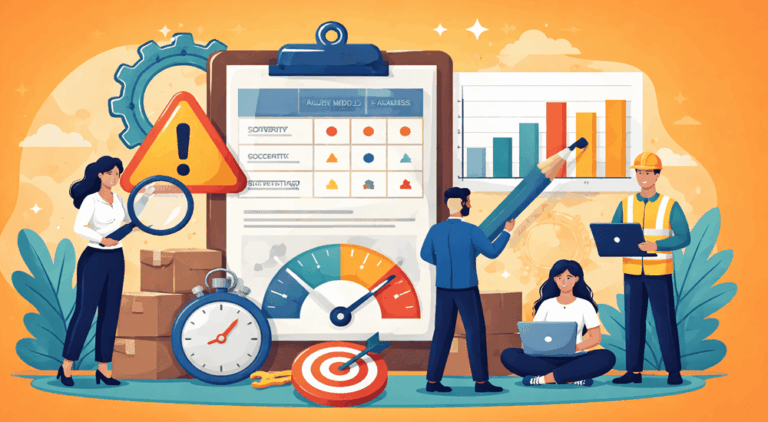
    The Risk Priority Number (RPN) is a core concept in Failure Mode and Effects Analysis (FMEA) that identifies and prioritizes risks across processes, products, and systems. It helps you focus on the most critical failure modes before they cause serious problems. RPN is calculated by combining three key factors: Severity, Occurrence, and Detection.  Together, these…

    Read More Risk Priority Number (RPN): Formula, Calculation, Benefits & UpdatesContinue

  • process improvement methodologies
    General

    7 Essential Process Improvement Methodologies: Lean, Six Sigma & More

    ByFahad Usmani, PMP February 4, 2026February 4, 2026

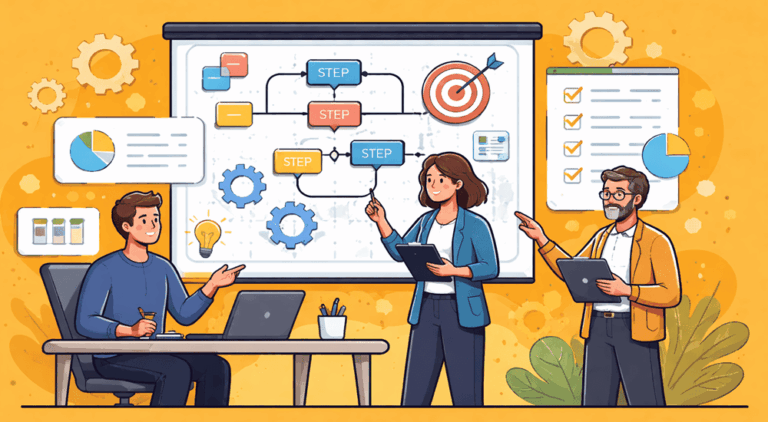
    Process improvement methodologies help you work faster, reduce errors, and deliver better results with less effort. In today’s competitive environment, you cannot rely on guesswork or outdated workflows. You need structured approaches that clearly show what to improve and how to improve it.  Process improvement methodologies provide proven frameworks for analyzing current processes, eliminating waste,…

    Read More 7 Essential Process Improvement Methodologies: Lean, Six Sigma & MoreContinue

  • pfmea vs dfmea
    General

    PFMEA Vs DFMEA: A Comprehensive Guide to Failure Mode Analysis

    ByFahad Usmani, PMP February 3, 2026February 5, 2026

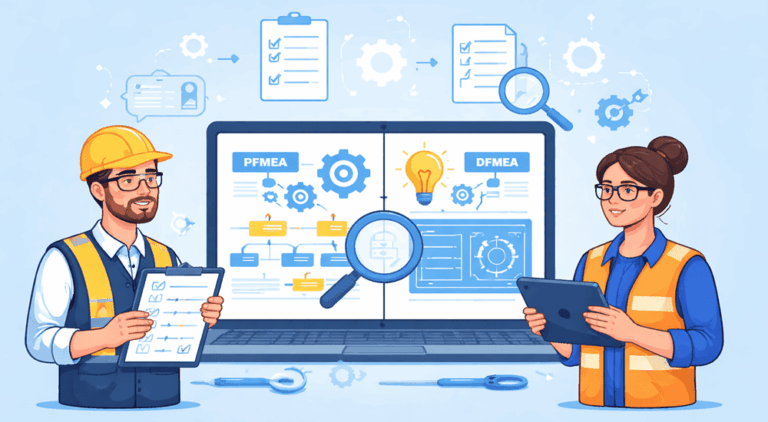
    Have you ever wondered how product defects slip through the cracks despite layers of testing? In many cases, the root cause is hidden in the design or the process itself. Failure Mode and Effects Analysis (FMEA) is a proactive approach engineers use to identify hidden issues before they become costly problems. It began in aviation…

    Read More PFMEA Vs DFMEA: A Comprehensive Guide to Failure Mode AnalysisContinue

  • work performance information
    General

    Work Performance Information in Project Management: Definition, Elements & Analysis

    ByFahad Usmani, PMP February 3, 2026February 3, 2026

    Work performance information (WPI) is a core concept in project management and appears throughout the PMBOK Guide, 8th edition. Project managers use WPI to turn raw data into insights that drive smart decisions. Without work performance information, teams only see numbers with no meaning. With WPI, those numbers show progress, delays, and risks. Work performance…

    Read More Work Performance Information in Project Management: Definition, Elements & AnalysisContinue

  • fmea vs pfmea
    General

    FMEA Vs PFMEA: Key Differences & When to Use Each

    ByFahad Usmani, PMP February 2, 2026February 2, 2026

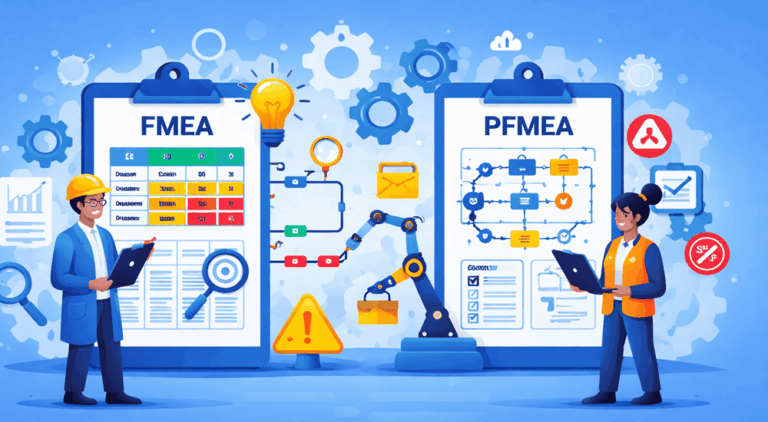
    Failure Mode and Effects Analysis (FMEA) and Process Failure Mode and Effects Analysis (PFMEA) are essential proactive risk assessment tools used in quality management. While FMEA (often called Design FMEA or DFMEA) focuses on potential failures in product or system design, PFMEA targets risks in manufacturing, assembly, and operational processes.  Together, they help you prevent…

    Read More FMEA Vs PFMEA: Key Differences & When to Use EachContinue

  • hazard vs risk
    General

    Hazard Vs Risk: Understand the Difference & Improve Safety

    ByFahad Usmani, PMP February 2, 2026February 2, 2026

    You cannot manage what you do not understand. In workplace safety, that idea matters every day. People often mix up hazards and risks. Yet the distinction matters when you perform a risk assessment or plan how to keep your team safe. Many accidents happen not because people ignore danger, but because they misunderstand it. A…

    Read More Hazard Vs Risk: Understand the Difference & Improve SafetyContinue

Page navigation

Previous PagePrevious 1 … 22 23 24 25 26 … 80 Next PageNext
  • FAQs
  • Books
  • Contact
  • About
  • Privacy

Copyright 2026 PM Study Circle, All rights reserved.

  • Home
  • Blog
  • PMP Questions
  • Resource
  • Contact Hours
  • Notes