Understanding the difference between procurement and contracts is essential for you. Both terms are connected, but they serve different roles in the buying process.
Procurement is the broader process of acquiring goods and services. It includes identifying needs, finding suppliers, comparing options, negotiating, and managing purchases. Contracts are the legal agreements that define the terms of those purchases. They ensure that both parties are aware of their rights and obligations.
You use contracts to protect yourself and ensure compliance with relevant laws and regulations. Understanding how procurement and contracts work together helps you save money, mitigate risks, and build strong supplier relationships for long-term success.
What is Procurement?
Procurement is the process you use to acquire goods or services from outside suppliers. It begins with identifying what is needed and continues through supplier research, requests for quotes, negotiations, and final purchase.

Procurement is more than just buying; it ensures you get value, reduce risks, and manage relationships with suppliers effectively. A well-managed procurement process helps you save money, improve efficiency, and maintain smooth operations.
Key points about procurement:
- It covers the entire buying journey from planning to delivery.
- It helps secure the right product or service at the right price.
- It includes essential steps such as planning, sourcing, negotiating, and purchasing.
- It builds stronger supplier relationships and reduces risks.
- It supports long-term business growth and efficiency.
What Is a Contract?
A contract is a formal agreement between a buyer and a supplier. It establishes clear rules for a business transaction and ensures that both parties understand their rights and responsibilities.

Contracts define the price, quality standards, delivery schedules, and payment terms. They also protect businesses by reducing risks and ensuring compliance with legal and organizational requirements.
Having a solid contract in place fosters trust between parties and provides a safety net in the event of disputes.
Key points about contracts:
- They are legally binding agreements between two or more parties.
- They clearly define rights, obligations, and responsibilities.
- They include details such as price, quality, timelines, and payment terms.
- They protect both sides and reduce legal and financial risks.
- They ensure compliance with regulations and company policies.
Procurement Vs Contract: Key Differences
The following table shows the key differences between procurement and contract:
| Parameter | Procurement | Contract |
| Defintion | End-to-end process of acquiring goods or services | Legal agreement setting the terms of purchase |
| Focus | Efficiency, value, and supplier management | Rights, obligations, and compliance |
| Timing | Starts with identifying needs | Begins once a deal is finalized |
| Role | Business function | Legal safeguard |
| Outcome | Products or services delivered | Binding obligations fulfilled |
How Procurement and Contracts Work Together
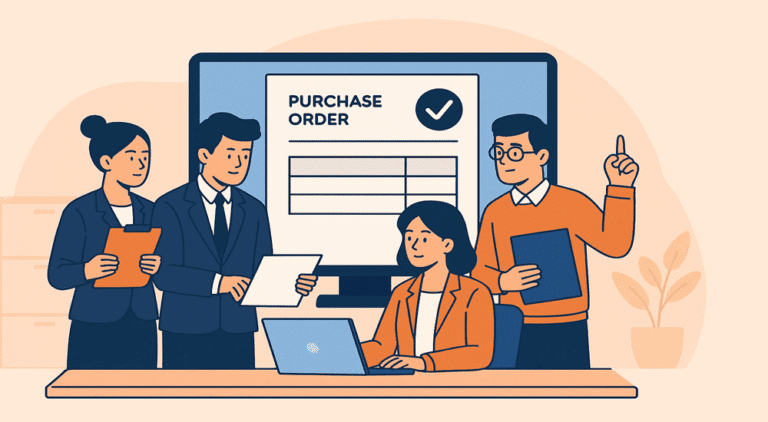
Procurement and contracts are different, but they work closely together. Procurement teams manage the entire process of sourcing suppliers, negotiating terms, and purchasing goods or services.

Once those terms are agreed upon, a contract is created to make the deal legally binding. Procurement ensures efficiency and value, while contracts provide security and compliance.
When combined, they provide businesses with both flexibility in purchasing and protection against risks. Together, they create a strong foundation for reliable supplier relationships.
How procurement and contracts work together:
- Procurement identifies needs and selects the most suitable suppliers.
- Contracts record the agreed-upon terms and conditions.
- Procurement manages the buying process and supplier performance.
- Contracts enforce compliance and protect both sides.
- Together, they ensure smooth transactions and reduce risks.
Why the Difference Matters for Businesses
Knowing the difference helps companies:
- Avoid legal and financial risks.
- Build stronger supplier relationships.
- Improve compliance and accountability.
- Save money with better-negotiated contracts.
Summary
Procurement and contracts are closely linked, but they serve distinct roles. Procurement encompasses the entire process of acquiring goods and services, while contracts lend those purchases legal validity. When you manage both effectively, you save costs, reduce risks, and improve supplier trust.
Understanding how procurement and contracts work together helps you stay compliant and competitive. By focusing on transparent processes and robust agreements, you can build stronger supplier partnerships and achieve long-term success in today’s business environment.
Further Reading:
- Project Procurement – What a Project Manager Should Know About it
- Procurement Process in Business: Key Steps, Benefits & Best Practices
- Types of Procurement Contracts used in Project Management
- What is a Contract?
- 9 Essential Contract Documents in Project Management
- 7 Essential Elements of a Contract

I am Mohammad Fahad Usmani, B.E. PMP, PMI-RMP. I have been blogging on project management topics since 2011. To date, thousands of professionals have passed the PMP exam using my resources.