
Project management is no longer a niche skill. Companies in every sector rely on qualified professionals to deliver projects on time and on budget. The Project Management Professional (PMP) certification remains the most respected credential for these roles. Recent PMI research shows that certified professionals earn roughly 33% more than non-certified peers.
By 2027, employers will need 87.7 million people in project-focused roles. If you want to stand out and tap into these opportunities, you must first meet the PMP eligibility requirements.
This guide explains the latest PMP requirements criteria for the 2025-2026 exam cycle, outlines the benefits of certification, and offers advice to help you prepare your application.
PMP Requirements at a Glance
Before applying for the PMP exam, confirm that you comply with the PMP certification requirements under one of three options set by the Project Management Institute. The key differences are your level of education and the amount of leadership experience required. All options require 35 hours of formal project management education unless you already hold the Certified Associate in Project Management (CAPM) credential.
| Option | Education | Project Management Experience (within the last 8 years) | Project Management Education |
| Set A | High school diploma or associate degree | 60 months leading or managing projects | 35 contact hours, CAPM or approved exam-prep course |
| Set B | Bachelor’s degree or higher | 36 months leading or managing projects | 35 contact hours, CAPM or approved exam-prep course |
| Set C | Bachelor’s degree or higher from a GAC-accredited program | 24 months leading or managing projects | 35 contact hours (GAC coursework counts toward this) |
These options give flexibility based on your academic background. Make sure your project experience falls within the past eight years and involves leading or directing projects, not merely participating in them.
What is the PMP Certification?
The PMP credential signifies advanced project management expertise. It is recognized worldwide and applies to industries ranging from healthcare and construction to finance and technology. Passing the exam demonstrates your ability to lead teams, manage budgets, handle risk, and deliver value.
According to PMI’s latest salary survey, certified project managers report a 33 percent higher median salary. With millions of new project-oriented jobs expected over the next few years, earning the PMP can significantly boost your career prospects.
Detailed PMP Eligibility Criteria
1 – Education
You need at least a secondary degree to apply. Option B and Option C require a bachelor’s or higher qualification. A degree proves that you can read complex materials, communicate effectively, and grasp new concepts—skills you will rely on when studying for the exam and leading projects.
2 – Project Management Experience
Your experience must reflect leading and managing projects. PMI specifies that experience should be unique and non-overlapping, gained within the last eight years. In practice, this means you need to document:
- Projects you have led, even if your job title was not “project manager.”
- Start and finish dates for each project or project phase.
- Hours spent in every process group: initiating, planning, executing, monitoring & controlling, and closing.
- Proof that you directed teams, made decisions, and were accountable for outcomes.
Volunteer work or freelance projects count as long as you can verify your role and hours. If you are short on experience, consider taking on leadership tasks at work or volunteering with a non-profit to build hours.
3 – Project Management Education (35 Contact Hours)
Everyone (except active CAPM holders) must complete 35 hours of formal training aligned with the current PMP exam content outline.
PMI accepts training from many sources:
- PMI Registered Education Providers and Authorized Training Partners
- PMI chapters and employer-sponsored programs
- Universities or colleges offering project management courses
- Accredited training firms or consultants
- Distance-learning programs that include an end-of-course assessment
PMI makes clear that chapter meetings and self-study (reading books or watching videos) do not count toward the 35 hours.
When choosing a course, look for one that meets the exam content outline and provides a certificate of completion. Many providers offer online, live virtual, and hybrid formats so you can learn at your own pace.
Key Tips for Meeting PMP Requirements
- Document Everything: Use a spreadsheet for hours per process group. Include project titles, dates, and roles.
- Bridge Gaps: Short on experience? Pursue CAPM first—it’s entry-level and waives training later.
- Choose Training Wisely: Opt for providers offering PDUs for renewal. Our recommended PM Sprout PMP Training Program is 100% online and exam-focused.
- Audit Prep: Be honest—falsified claims lead to bans.
Question for you: What’s your biggest hurdle—experience or training? Share in the comments.
Benefits of Meeting the PMP Certification Requirements
Meeting the prerequisites is more than a bureaucratic step; it enhances your professional value:
- Higher Earnings: Surveyed PMP holders report a 33 percent higher median salary than non-certified peers.
- Career Growth: Employers across industries will need 87.7 million project professionals by 2027. Certification signals you have the skills they seek.
- Skill Development: Preparing for the exam exposes you to predictive, agile, and hybrid approaches. This breadth of knowledge improves how you manage budgets, schedules, and people.
- Professional Credibility: The PMP is recognized globally. Clients and colleagues alike trust certified managers to deliver results.
Exam Details and Costs
The PMP exam is rigorous but manageable with preparation. Key facts include:
- Format: 180 questions (175 scored, 5 unscored), a mix of multiple-choice, hotspot, and matching questions.
- Duration: 230 minutes total with two 10-minute breaks.
- Domains: People (42 %), Process (50 %), and Business Environment (8 %).
- Languages: Offered in 16 languages.
- Cost: As of October 2025, the exam fee is US $655 for non-members and US $405 for PMI members. PMI membership costs 139 USD per year and offers exam discounts and study resources, such as the PMBOK and Agile Practice Guide.
- Renewal: Certification is valid for three years. To renew, you must earn 60 professional development units (PDUs) during that period.
Application and Audit Tips
- Gather Documentation: Have copies of your degree, training certificates, and records of project hours ready.
- Describe Roles Clearly: Focus on what you did—leading and directing—rather than the project itself.
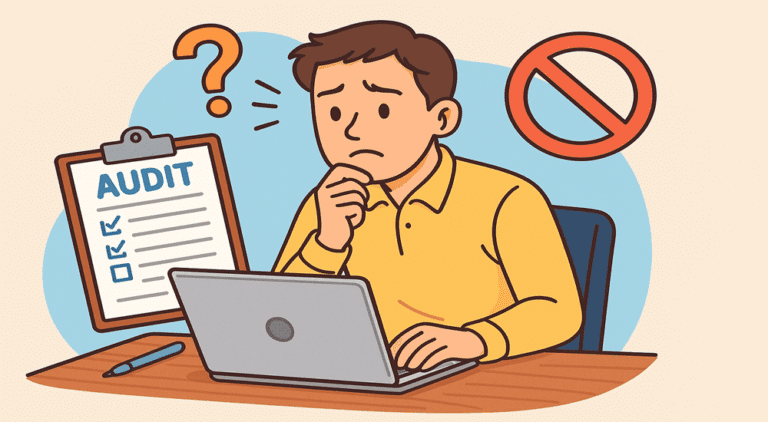
- Prepare for an audit: If selected, you must submit proof of your education, experience, and training. Inform supervisors or clients that PMI may contact them.
- Join PMI before applying: Membership reduces the exam fee and provides access to templates, standards, and a global community.
How to Earn 35 Contact Hours
There are many ways to complete your training requirement. Consider these options:
- Online Self-Paced Courses: Ideal if you need flexibility. Ensure the course includes quizzes and provides a certificate.
- Live Virtual Classes: Attend instructor-led sessions from home. These often simulate classroom interactions.
- University or College Courses: Many institutions offer accredited project management programs that satisfy PMI’s education requirement.
- Employer’s Professional Development: Some companies provide in-house training; check with your human resources department.
- Authorized Training Partners: PMI-authorized providers design content around the exam and typically include practice questions.
Not sure where to start? Explore the training section on PMI.org or speak with your local PMI chapter for recommendations.
FAQs
Q1. Do I need to hold the job title “Project Manager” to qualify?
No. PMI requires experience leading and directing projects, regardless of your official title. Document your role and responsibilities clearly.
Q2. Can volunteer or freelance projects count toward the experience requirement?
Yes. As long as you led and managed project tasks and can verify the hours and outcomes, volunteer or freelance work qualifies.
Q3. Can diploma holders apply for the PMP exam?
Absolutely. Option A is designed for professionals with a secondary degree. You need 60 months of leadership experience and 35 contact hours[4].
Q4. Do I have to take my training through PMI-approved providers?
No. PMI accepts education from many sources, including universities and private training firms. Self-study and casual chapter meetings do not count.
Q5. What if I’m not yet eligible?
Consider earning the CAPM certification to build foundational knowledge. At the same time, seek opportunities to lead projects to accumulate the required experience.
Q6. How long should I study for the exam?
Most successful candidates spend two to six months studying, dedicating 60–120 hours to coursework, practice tests, and reading official guides.
Summary
Meeting the PMP certification requirements shows dedication and discipline. The process may seem demanding, but the rewards—higher salaries, greater job security, and global recognition—make it worthwhile. If you already satisfy PMP eligibility requirements, start documenting your experience and enroll in a training program.
Ready for the next step? Join my PMI-approved training program to earn your 35 contact hours!
Further Reading:
- What is the PMP Certification Exam?
- What are the PMP Eligibility Criteria? (You are here)
- What is the PMP Exam Application Process?
- How Expensive is the PMP Certification?
- What is the PMP Examination Structure?
Reference:

I am Mohammad Fahad Usmani, B.E. PMP, PMI-RMP. I have been blogging on project management topics since 2011. To date, thousands of professionals have passed the PMP exam using my resources.



What’s the proof you need to produce that you completed 35hrs of training?