Why is project management important? Every organization runs on projects. From launching a new service to upgrading software, success depends on structure and control. The importance of project management lies in its ability to turn strategy into action. It gives teams a clear plan, defined roles, and measurable goals.
When management understands the importance of project management, they reduce risk and avoid costly delays. Strong project management improves communication, protects budgets, and keeps work aligned with business objectives. It also builds accountability across teams.
Without project management, even great ideas can fail. With it, organizations deliver consistent value and remain competitive in a changing market.
What is Project Management?
Project management is the disciplined process of turning ideas into reality. Rather than hoping for the best, the project team follows a structured plan that balances three main constraints: scope, time, and cost. Imagine planning a wedding. You must decide what you want (scope), when it will happen (time), and how much you can spend (cost). A good project manager acts like a conductor, leading an orchestra and coordinating people, resources, and schedules so that every element comes together on cue.
Successful project management goes beyond ticking off tasks. It involves setting clear goals, monitoring progress, and adjusting plans when things change. Modern professionals use performance metrics, stakeholder feedback, and risk indicators to measure success across multiple dimensions. This holistic view ensures that projects deliver business value, not just outputs.
The Importance of Project Management
Every organization, from startups to global corporations, relies on projects to innovate and grow. Without a disciplined approach, projects can drift, budgets balloon, and timelines slip. Here are some key reasons why project management is essential for success:
Aligns Strategy with Execution
It is not enough to launch projects because they sound exciting. Projects must advance your organization’s strategic goals. A project manager ensures that each initiative aligns with broader objectives. When success criteria are defined up front and tracked throughout the life cycle, success rates are almost twice as high. This alignment keeps teams focused on work that matters.
Provides Clear Leadership and Accountability
Unclear roles and scattered decision-making derail even simple projects. A competent project manager sets expectations, assigns responsibilities, and resolves issues. Think of them as a lighthouse guiding a ship safely to harbor. They coach team members, remove obstacles, and maintain accountability for results.
Ensures Realistic Planning and Tracking
Planning does not mean creating a rigid schedule that never changes. It means building a roadmap that balances ambition and resources. Project managers break down the work, negotiate deadlines, and use milestones to measure progress. They monitor performance and adapt when conditions shift. This disciplined tracking helps teams stay on target.
Protects Quality
Deliverables must meet agreed-upon standards. Project managers embed quality checks throughout the project. They review work at key points, test deliverables, and confirm they align with requirements. This vigilance catches issues early and prevents costly rework.
Mitigates Risks
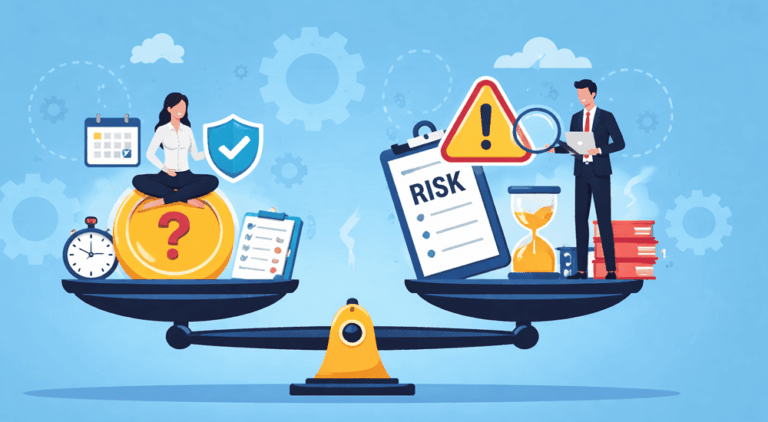
Every project carries risk: market changes, technical challenges, or resource shortages. Effective project managers identify potential threats, develop mitigation plans, and create contingencies. The PMI Pulse of the Profession 2025 report shows that professionals with high business acumen use more performance factors, including risk indicators, customer satisfaction, and quality metrics. Taking a broader view makes it easier to foresee and manage risks.
Optimizes Resources
Skilled project managers match the right people to the right tasks. They ensure that team members are neither overloaded nor underused. By coordinating schedules and workloads, they prevent duplication of effort and ensure specialists focus on their strengths.
Elevates Customer Satisfaction
A satisfied customer or stakeholder is the ultimate sign of success. Project managers keep stakeholders informed, manage expectations, and deliver results on time and within budget. In the PMI survey, professionals with high business acumen were more likely to prioritize customer satisfaction (83% vs. 66%) and quality (78% vs. 61%).

How Effective Project Management Benefits Your Organization
Adopting project management practices creates measurable value. When success criteria and performance metrics are set at the start, projects align with strategic goals and deliver meaningful outcomes. This systematic approach does more than keep schedules and budgets on track; it drives business value.
Consider the findings of the PMI Pulse of the Profession 2025 report. Project professionals with high business acumen measure project performance using an average of 9.1 factors, compared with 6.3 for their peers. These factors include customer satisfaction, quality of work, and strategic alignment. By expanding their perspective, high-acumen professionals deliver more comprehensive and successful projects.
The job market echoes this demand for skilled project managers. According to the U.S. Bureau of Labor Statistics, the median annual wage for project management specialists reached $100,750 in May 2024. Employment is projected to grow 6 percent from 2024 to 2034, faster than the average for all occupations. Around 78,200 job openings are expected each year. These figures illustrate the growing need for people who can guide complex initiatives to completion.
Finally, effective project management improves transparency. Executives can see how projects contribute to strategic goals and identify bottlenecks before they become crises. Teams understand what’s expected, stakeholders stay informed, and budgets are used wisely. When everyone has access to accurate information, trust grows.
Thinking Ahead
How might your organization look if every project delivered on its promise? Imagine launching new products on schedule, meeting customer expectations, and staying within budget. That vision is within reach when you adopt professional project management practices.
Steps to Implement Project Management
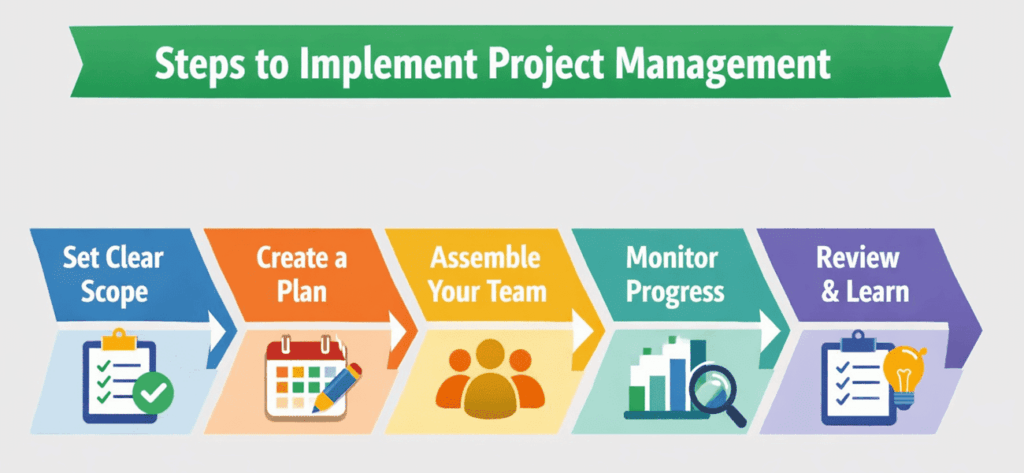
Transitioning to a structured approach does not have to be overwhelming. Start small and build momentum with these five steps:
1. Set a Clear Scope
Begin by defining what you want to achieve and what falls outside the project boundaries. A well-defined scope helps avoid scope creep and keeps everyone focused. Invite key stakeholders to agree on priorities and deliverables.
2. Create a Plan
Break the project into tasks and assign responsibilities. Develop a schedule with realistic milestones. A project timeline or Gantt chart visualizes how tasks relate and helps manage dependencies. Stay flexible; adjust the plan as new information emerges.
3. Assemble Your Team
Choose team members based on skills, availability, and interest. Clearly communicate roles and responsibilities. Use collaboration tools, like shared calendars or messaging apps, to keep everyone aligned. Encourage open communication to surface issues early.
4. Monitor Progress
Track performance against your plan. Hold regular status meetings to discuss achievements and obstacles. Use metrics such as budget adherence, schedule variance, and customer feedback. Be prepared to adjust resources or timelines when conditions change.
5. Review and Learn
After completing the project, evaluate what went well and what could be improved. Gather feedback from team members and stakeholders. Use lessons learned to refine your processes and inform future projects. Continuous improvement is the hallmark of mature project management.
Common Challenges and How to Overcome Them
Resistance to Change
Teams may resist formal project management because they fear added bureaucracy. Start by demonstrating quick wins. Apply structured planning to a small project and show how it reduces confusion and improves results. Celebrate successes to build momentum.
Limited Resources
Organizations often juggle multiple initiatives with the same people and budget. A good project manager prioritizes work and communicates resource needs. Share what will happen if resources are spread too thin, and seek executive support to adjust workloads or timelines.
Scope Creep
Stakeholders may request new features or tasks after the project starts. While flexibility is important, uncontrolled scope changes can derail progress. Establish a change-management process. Evaluate the impact of each change and gain approval before making adjustments.
Inadequate Communication
Projects falter when people are left in the dark. Set up regular communication channels, such as weekly meetings, progress dashboards, or status reports. Encourage questions and transparency. When problems surface early, solutions are easier to find.
FAQs
Q1. What does a project manager do?
A project manager plans, organizes, and oversees work so that a team meets its goals on time and within budget. They coordinate people, manage risk,s and communicate with stakeholders.
Q2. How can project management improve business success?
Effective project management aligns each initiative with strategic goals. It provides clear leadership, controls costs, and reduces risk. This disciplined approach increases the chances of delivering value.
Q3. Do small businesses need project management?
Yes. Even small projects benefit from clear scope, planning, and tracking. A lightweight approach helps teams stay on task and prevents costly mistakes.
Q4. Is certification necessary to become a project manager?
Many successful project managers are self-taught, but certifications such as the PMP can enhance credibility. Employers may prefer certified professionals for complex or regulated projects.
Summary
Project management is more than a buzzword; it is a proven method for turning ideas into results. By defining success criteria, planning realistically, and tracking progress, organizations can dramatically increase their chances of success. Skilled professionals use multiple performance indicators, including customer satisfaction and quality, to deliver value. As demand for project managers grows, now is the time to adopt best practices and invest in training. Ready to elevate your next project? Begin with clear goals, a structured plan, and a commitment to continuous improvement.

I am Mohammad Fahad Usmani, B.E. PMP, PMI-RMP. I have been blogging on project management topics since 2011. To date, thousands of professionals have passed the PMP exam using my resources.