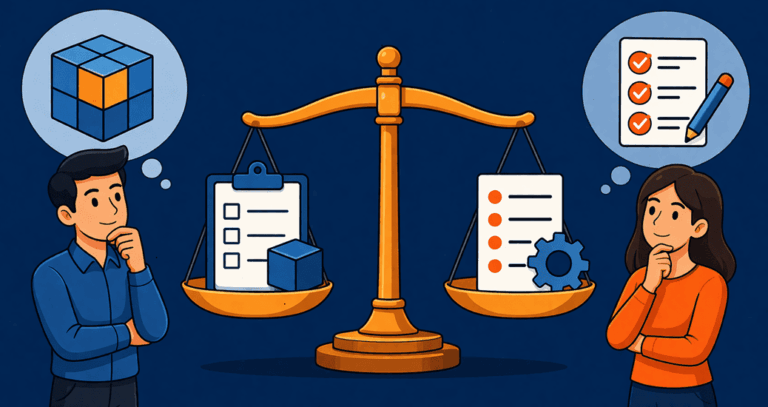
In business, the terms procurement and acquisition are often used together, but they do not mean the same thing. Procurement is the process of purchasing goods and services necessary to run your operations. Acquisition means taking ownership of another company or asset to expand business value.
Understanding the differences between procurement and acquisition allows you to navigate the distinct processes, objectives, and impacts on your strategy. Procurement focuses on securing critical inputs, including raw materials, equipment, and professional services, while acquisition is about growth, control, and competitiveness through gaining ownership of companies or resources.
In this blog post, I will provide a detailed explanation of procurement and acquisition, outline their processes, compare their key differences, and illustrate their role in business strategy.
Let us get started.
What is Procurement?
Procurement is the structured process of identifying, sourcing, and purchasing the goods and services a company needs. It extends beyond purchasing items; it encompasses supplier research, price negotiations, contract management, and supplier relationship management.
Through procurement, you ensure you obtain quality products and services at the best price, from reliable suppliers, and delivered at the right time.
By following a transparent procurement process, you can reduce costs, mitigate risks, enhance supplier partnerships, and facilitate smooth business operations while maintaining competitiveness in your industry.
Types of Procurement
Procurement takes many forms depending on your needs. From securing raw materials to outsourcing services, understanding the various types of procurement enables companies to manage costs effectively, ensure operational efficiency, and build strong supplier relationships.
The following are common types of procurement:
1. Direct Procurement
Direct procurement refers to acquiring raw materials, components, or goods that are directly used in the production of your core products or services. It focuses on securing essential resources required to keep operations running smoothly.
For example, an automaker engages in direct procurement when purchasing steel, tires, or engines needed to assemble vehicles for market delivery.
2. Indirect Procurement
Indirect procurement involves purchasing goods and services that are not directly related to manufacturing or production, but are essential for the smooth operation of everyday activities. These purchases often support business functions such as administration, maintenance, or employee efficiency.
For instance, a company buying office furniture, IT software subscriptions, or cleaning supplies is practicing indirect procurement to ensure smooth internal workflows and optimal workplace productivity.
3. Services Procurement
Services procurement is the process of hiring external professionals, agencies, or contractors to provide specialized expertise or perform tasks that an organization cannot or chooses not to handle internally. This type of procurement helps you access skills on demand without long-term commitments.
An example includes outsourcing functions like marketing campaigns, facility management, or cleaning services to qualified external service providers.
4. Strategic Procurement
Strategic procurement emphasizes building long-term partnerships with suppliers to achieve cost efficiencies, innovation, and competitive advantages. It goes beyond transactional buying to focus on collaboration, risk management, and continuous improvement.
A real-world example would be a technology firm forming an ongoing strategic supply deal with a semiconductor manufacturer to ensure steady innovation and secure access to critical components at optimized costs.
Procurement Process
The procurement process is a structured approach businesses follow to identify needs, research suppliers, negotiate terms, purchase goods or services, and manage supplier relationships, ensuring cost savings, quality, and operational efficiency.

The procurement process is as follows:
1. Identify Needs
The procurement process begins by clearly identifying the organization’s needs. This includes defining what goods or services are required, specifying quality, quantity, and delivery timelines.
A clear understanding at this stage ensures alignment with business goals and prevents unnecessary spending. It also sets the foundation for accurate supplier evaluation and effective purchasing decisions later in the process.
2. Supplier Research and Selection
Once needs are defined, you research potential suppliers who can meet those requirements. This step involves comparing product quality, pricing, reliability, reputation, and capacity. You also evaluate suppliers’ financial stability and compliance with industry standards.
Shortlisting suppliers ensures that only the most capable and reliable vendors are considered, thereby minimizing risks and enhancing the chances of long-term, mutually beneficial partnerships.
3. Negotiation and Contracting
After selecting suitable suppliers, the focus shifts to negotiations. Discussions cover pricing, payment terms, quality standards, warranties, delivery schedules, and service conditions. Effective negotiation strikes a balance between cost savings and long-term collaboration and mutual trust.
Once terms are agreed upon, they are formalized in a legally binding contract that protects both parties, clearly defines responsibilities, and ensures accountability throughout the procurement process.
4. Purchasing and Order Management
With contracts in place, you proceed with placing the purchase order. This step includes confirming specifications, tracking order status, and ensuring timely approvals. Order management also involves coordinating with suppliers for delivery updates and handling any modifications if requirements change.
Efficient order management ensures smooth operations, avoids delays, and maintains transparency between the purchasing team and external suppliers throughout the transaction.
5. Delivery and Evaluation
The final stage involves receiving goods or services and verifying that they meet agreed specifications. Businesses inspect quality, check quantities, and confirm timely delivery. If issues arise, corrective actions are taken promptly. After completion, procurement teams evaluate supplier performance based on reliability, quality, and service.
This feedback is crucial for enhancing future procurement decisions and developing robust supplier relationships.
What is Acquisition?
Acquisition is the process of gaining ownership of another company, asset, or resource. Unlike procurement, which focuses on purchasing inputs, acquisition reshapes a business’s structure and scope.
Through acquisitions, you can expand into new markets, reduce competition, gain access to advanced technologies, or improve operational efficiency. These strategic moves let you strengthen your competitive position and achieve faster growth than through organic development.
Acquisitions are common in technology, healthcare, retail, and manufacturing industries, where innovation, scale, and market share play crucial roles in driving growth. By carefully evaluating opportunities and integrating acquired entities effectively, you can unlock long-term value and achieve sustainable success in dynamic business environments.
Key Types of Acquisition
Acquisitions are key strategies for business growth. You can utilize various techniques, such as horizontal, vertical, or asset acquisitions, to enter new markets, enhance efficiency, acquire resources, and create long-term competitive advantages.
The following are key types of acquisition:
1. Horizontal Acquisition
A horizontal acquisition occurs when a company purchases a competitor operating in the same industry and market. The goal is often to increase market share, reduce competition, and achieve economies of scale. By consolidating resources and customer bases, you strengthen your competitive advantage.
Example: Facebook acquired Instagram to enhance its presence in the social media industry.
2. Vertical Acquisition
In a vertical acquisition, you acquire another organization within its supply chain. This could be a supplier or a distributor. The main aim is to control more stages of production, reduce costs, and ensure efficient supply. It improves operational efficiency and market reach.
Example: Amazon acquiring Whole Foods to strengthen its retail distribution and supply network.
3. Conglomerate Acquisition
A conglomerate acquisition happens when a company buys another business operating in an entirely different industry. These acquisitions are generally driven by diversification strategies, allowing businesses to spread risks and enter new markets. They also provide opportunities for revenue growth beyond core operations.
Example: Berkshire Hathaway acquiring Dairy Queen, expanding its portfolio into the food and beverage sector.
4. Asset Acquisition
In an asset acquisition, you purchase specific assets rather than the entire organization. These assets may include patents, land, factories, or intellectual property. This type of acquisition allows you to gain valuable resources without assuming the seller’s liabilities.
Example: A software company acquiring a competitor’s technology patent to strengthen its product offerings and innovation capabilities.
5. Management Acquisition (MBO)
A management acquisition, also known as a management buyout (MBO), occurs when a company’s existing managers purchase the business with financial support from external investors. This type of acquisition provides managers with greater control, motivates them to drive growth, and ensures operational continuity.
It is common in private companies where leadership sees long-term potential.
Process of Acquisition
The acquisition process is a structured approach that involves you identifying, evaluating, and integrating target businesses or assets. It ensures strategic growth, manages risks, and creates value through careful planning, negotiation, and execution.

The acquisition process is as follows:
1. Target Identification
The process begins with identifying potential companies, assets, or resources that align with your strategic goals. You analyze industry trends, market gaps, and opportunities to select suitable targets.
This step ensures acquisitions are purpose-driven, whether for growth, diversification, reducing competition, or entering new markets. Careful screening narrows down the best candidates.
2. Evaluation and Due Diligence
After identifying a target, you conduct a detailed evaluation. This includes analyzing financial statements, legal obligations, operational performance, market position, and cultural fit. Due diligence uncovers risks, liabilities, and hidden opportunities, ensuring informed decision-making.
A thorough evaluation protects the acquirer from costly mistakes and provides a clear picture of the target’s value.
3. Negotiation and Agreement
Once the target passes evaluation, negotiations begin. Key terms, including purchase price, payment structure, liabilities, warranties, and management responsibilities, are discussed.
The goal is to reach a mutually beneficial agreement. Both parties involve legal and financial advisors to finalize details, ensuring fairness and compliance. The outcome is a formal acquisition agreement.
4. Financing and Approvals
Securing funding is critical to completing an acquisition. You may use cash reserves, bank loans, private equity, or stock swaps as sources of funding. In many cases, regulatory bodies and stakeholders must also approve the deal.
This step ensures financial readiness, compliance with relevant laws, and the legitimacy of the transaction, allowing the acquisition to proceed smoothly.
5. Integration and Implementation
After the deal is finalized, focus shifts to integration. This involves merging operations, employees, systems, and cultures. Effective communication, leadership alignment, and strategic planning are crucial for minimizing disruptions.
The aim is to realize synergies, improve efficiency, and achieve the intended benefits of the acquisition. Successful integration determines the overall value of the deal.
Procurement Vs Acquistion
The following tables show the key differences between procurement and acquisition:
| Parameter | Procurement | Acquisition |
| Definition | Process of purchasing goods/services | Taking ownership of another company/assets |
| Purpose | Reduce costs, ensure quality, secure supplies | Grow market share, gain assets, reduce competition |
| Time Frame | Ongoing, short- to medium-term | Long-term, strategic |
| Financial Scale | Usually smaller, recurring expenses | Large one-time investments |
| Impact | Operational efficiency and cost savings | Market expansion and competitive advantage |
| Legal/Regulatory | Contracts with suppliers | Heavily regulated mergers and ownership laws |
Importance of Procurement & Acquisition in Business Strategy
Procurement and acquisition both play key roles in business strategy, but in different ways.
Procurement supports cost efficiency and operational continuity. By negotiating better contracts, securing high-quality materials, and effectively managing supplier relationships, procurement ensures that production lines remain operational and service delivery remains reliable.
Acquisition supports long-term growth and competitiveness. By acquiring another company, you can enter new markets, gain access to new technologies, mitigate risks, or strengthen your competitive position against rivals.
For example, a bakery that procures flour efficiently ensures daily production runs smoothly. But if the bakery acquires a wheat mill, it secures its supply chain and gains control over raw materials.
When combined, procurement and acquisition can strengthen both short-term performance and long-term strategy. Companies that strike a balance between these two achieve cost savings, supply stability, and sustained growth.
Summary
Procurement and acquisition are closely related but distinct processes. Procurement involves managing the purchase of goods and services to support operational needs. Acquisition is about taking ownership to expand and compete.
Procurement focuses on efficiency, cost control, and supplier management. Acquisition focuses on growth, integration, and strategic advantage. Both are essential, but they operate at different levels within the business.
Understanding the distinction between procurement and acquisition lets you make more informed decisions, whether it involves negotiating with suppliers or acquiring a new company. Businesses that use both approaches wisely gain efficiency, strength, and long-term success.
Further Reading:
- What is the Procurement Process?
- What is Direct Procurement?
- Types of Procurement Contracts used in Project Management
- 24 Essential Procurement KPIs You Can Use in Your Organization
- What is a Contract?
Reference:

I am Mohammad Fahad Usmani, B.E. PMP, PMI-RMP. I have been blogging on project management topics since 2011. To date, thousands of professionals have passed the PMP exam using my resources.