Choosing between the Certified Scrum Master (CSM) and Project Management Professional (PMP) certifications can feel daunting. Both credentials are respected and valued by employers, yet they serve different purposes and require different levels of commitment.
This blog post compares Certified Scrum Master vs PMP certifications using the most recent salary figures and cost data available. Whether you are already managing projects or just beginning your career, the insights below will help you decide which path aligns with your goals.
Understanding the Roles of Certified Scrum Master and PMP
What Does a Scrum Master Do?
A Scrum Master serves as a coach and facilitator for teams using Agile or Scrum methodologies. Rather than directing work, a Scrum Master removes obstacles, guides the team through Scrum ceremonies (like sprint planning and daily stand-ups), and promotes collaboration. Experience in a tech or creative environment is helpful, but beginners can enter the field after attending a two-day training course.
According to a report on CSM certification costs, the required training ranges from $500 to $2,000 and includes two exam attempts plus a two-year membership in the Scrum Alliance.
What Does a Project Manager Do?
A project manager is responsible for planning, executing, and closing projects. This role involves defining objectives, managing budgets, recruiting team members, scheduling tasks, and delivering results within defined scope and timelines. Because the work covers every phase of a project, project managers usually need years of experience. The PMP credential, issued by the Project Management Institute, demonstrates expertise in traditional project management frameworks.
The U.S. Bureau of Labor Statistics reports that project management specialists earned a median salary of $100,750 in May 2024 and that employment is projected to grow six percent from 2024 to 2034.
Overview of the Certifications (Certified Scrum Master Vs PMP)
Certified Scrum Master (CSM)
The CSM credential focuses on Agile and Scrum practices. Candidates attend a two-day course (in person or online) and then take a 50-question multiple-choice exam. The passing score is approximately 74%. Training providers often include two exam attempts in the course fee, and the Scrum Alliance grants a two-year membership upon passing the exam.
Renewal requires earning 20 Scrum Education Units (SEUs) and paying a $100 renewal fee every two years. Because no prior experience is required, many newcomers to technology or product development choose the CSM as an entry point.
The average salary for Certified Scrum Masters is around $128,000, with senior roles paying up to $165,000. Salaries vary by location, industry, and experience; Scrum Masters in tech or creative sectors often earn more than those in regulated industries. In addition to salary potential, many CSM holders value the collaborative culture of Agile teams and the chance to help organizations adopt iterative approaches.
Project Management Professional (PMP)
The PMP is a globally recognized credential for experienced project managers. To qualify, candidates must document thousands of hours of leading projects and complete 35 hours of formal project management training. Once eligible, they can schedule the PMP exam, which consists of 180 questions and takes nearly four hours to complete.
The Project Management Institute charges $129 per year for membership (plus a $10 application fee) and $405 for the exam for members; non-members pay $655. Renewal occurs every three years and requires 60 Professional Development Units (PDUs). Passing the PMP demonstrates mastery of the PMBOK Guide and related standards.
PMP holders often work in engineering, construction, finance, healthcare, or government sectors. Because projects in these fields have strict regulatory and documentation requirements, a structured approach is essential. The PMP also signals that you can manage budgets, schedules, risks, and stakeholder expectations across large initiatives. Candidates should expect to invest several months in exam preparation and may choose to join study groups or use exam simulators.
Comparing CSM and PMP
Deciding between CSM and PMP depends on your experience, career goals, and preferred work environment. The infographic below summarizes key differences in cost, exam length, entry requirements, focus, and salary. Note how each certification is tailored to a specific type of professional:

Cost and Training Commitment
If budget and time are key factors, the CSM course is typically less expensive and shorter than PMP exam preparation. Training for the CSM averages $1,000–$1,400 and takes about two days. The PMP exam and study period can cost over $1,500 when including the membership fee and exam registration. Many candidates also invest in additional study materials and practice exams, which increases costs.
Experience and Eligibility
The CSM has no formal experience requirement. Anyone interested in Agile practices can enroll, making it ideal for new or mid-career professionals who want to facilitate Scrum teams. In contrast, the PMP requires documented project leadership experience—often three or more years—plus 35 hours of training. This makes PMP better suited to seasoned project managers looking to formalize their skills.
Exam Structure and Difficulty
The CSM exam comprises 50 questions and is timed at 1 hour. Questions test knowledge of Scrum roles, events, and artifacts. Because the course covers these topics thoroughly, the exam pass rate is high. The PMP exam is considerably longer: 180 questions across three domains (people, process, and business environment) with a 230-minute time limit. Questions are scenario-based and require careful analysis. Many candidates prepare for months and take multiple practice tests.
Salary and Career Paths
Both certifications can lead to higher pay, but salary ranges differ. According to recent statistics, Scrum Masters in the United States earn an average of about $128,000 per year, while project management specialists earn a median salary of $100,750. The difference reflects industry demand and job scope: Agile specialists often work in technology-driven sectors with higher compensation, whereas project managers work across a broader range of industries. For professionals aiming for leadership roles in large organizations or regulated fields, the PMP remains a coveted credential.
Frameworks and Focus
Scrum and Agile emphasize iterative development, customer feedback, and adaptable planning. The CSM teaches participants how to facilitate these practices by supporting the team and removing obstacles. The PMP, built on the PMBOK Guide, covers a wide range of processes, including scope management, cost management, risk analysis, procurement, and stakeholder engagement. It is more prescriptive and well-suited to complex projects with fixed requirements. Consider how you prefer to work: Do you enjoy continuous improvement and team coaching, or do you thrive in structured environments with defined processes?
Choosing the Right Certification (CSM or PMP)
Your career goals should guide your choice. Ask yourself:
- What type of projects excite me? Agile methods excel in software development, marketing campaigns, and creative industries that value flexibility. Traditional project management practices are well-suited to construction, engineering, finance, and government projects where scope and regulations are fixed.
- How much experience do I have? Beginners may benefit from the CSM because it requires little prerequisite experience and provides foundational knowledge. Professionals with years of leadership experience might prefer the PMP to validate their expertise.
- What is my budget and time commitment? The CSM can be completed in days and costs less than most PMP prep courses. The PMP demands months of study and a higher financial investment.
- Where do I plan to work? Demand for PMP-certified managers is strong in North America, India, and Russia. CSM-certified professionals are in high demand across Europe, Australia, and Latin America. Research job postings in your region before making a decision.
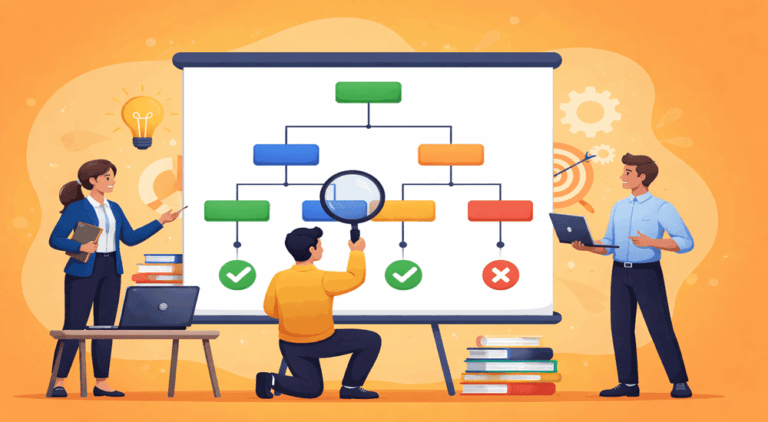
The flowchart below visualizes these decision points and illustrates how your preferences lead to either certification:

Can You Hold Both Certifications?
Pursuing both the CSM and PMP is possible and may offer a competitive advantage. Many experienced project managers begin with the PMP and then obtain the CSM to support Agile teams. Conversely, Agile practitioners sometimes earn the PMP to move into more traditional project roles. Holding both demonstrates versatility and a commitment to continuous learning. It also provides a broader peer network and access to both the Scrum and PMI communities. If you have the time and budget, earning both credentials can broaden your career options.
FAQs
Q1. Do I need a PMP if I already have a CSM?
It depends on your career goals. The CSM validates your Agile coaching skills, while the PMP proves your ability to manage large, traditional projects. If you plan to work in regulated industries or lead complex programs, adding the PMP to your resume can help.
Q2. Do Scrum Masters earn more than project managers?
Salaries vary by industry and experience, but recent data show that Scrum Masters earn approximately $128,000 in the U.S., while project management specialists earn about $100,750. The tech and creative sectors often pay Scrum Masters higher salaries, whereas heavily regulated industries may pay project managers higher salaries.
Q3. Is the CSM certification worth it?
If you work with Agile teams or plan to transition into roles that rely on Scrum practices, the CSM is a worthwhile investment. The two-day course, exam fee, and two-year membership cost between $1,200 and $2,500, but the knowledge gained and salary potential make the certification valuable for many professionals.
Q4. How long does it take to prepare for the PMP exam?
Preparation times vary. Most candidates complete 60-120 hours of study over several months, using practice exams and study guides. Busy professionals often benefit from structured prep courses that focus their study efforts.
Q5. Can I transition from a traditional project role to an Agile role?
Yes. Many project managers add the CSM to their credentials to demonstrate flexibility. The skills gained—facilitating collaboration, encouraging continuous improvement, and guiding teams through sprints—are increasingly in demand as organizations adopt hybrid approaches.
Summary
Both the CSM and PMP certifications can elevate your career, but they serve different purposes. The CSM is ideal if you enjoy coaching teams and working within iterative frameworks. The PMP is the gold standard for managing complex projects with defined scopes and budgets. By understanding the costs, prerequisites, exam formats, and salary expectations, you can choose the credential that best aligns with your professional aspirations. Regardless of which path you take, continuing education and hands-on experience will remain critical to your long-term success.
Further Reading:

I am Mohammad Fahad Usmani, B.E. PMP, PMI-RMP. I have been blogging on project management topics since 2011. To date, thousands of professionals have passed the PMP exam using my resources.