Agile project management software helps you streamline workflows, boost productivity, and adapt quickly to changing software project requirements. These platforms support Agile methodology and help teams plan, track, and manage projects through short cycles or sprints. With features like task boards, collaboration tools, and progress tracking, Agile software makes it easier to stay organized and meet deadlines.
In this article, I will provide you with the seven best agile project management software solutions. Whether you are a small team or a large organization, these tools offer many features to fit your needs and complete the project successfully.
However, before that, let us know what is Agile project management.
What is Agile Project Management?
Agile project management is a flexible, iterative approach that delivers small, manageable tasks in short cycles called sprints. Unlike traditional (waterfall project management) methods, Agile emphasizes adaptability, allowing teams to respond quickly to changes and evolving requirements. The key principles of collaboration, continuous feedback, and improvement ensure the project stays aligned with customer needs.
Agile is used in software development projects but can be applied to various industries. It promotes teamwork, transparency, and rapid value delivery, making it ideal for projects that require flexibility and regular adjustments.
7 Best Agile Project Management Software
The following are the seven best agile project management software:
- monday.com
- nTask
- ClickUp
- Pivotal Tracker
- Wrike
- IceScrum
- ActiveCollab
1. monday.com
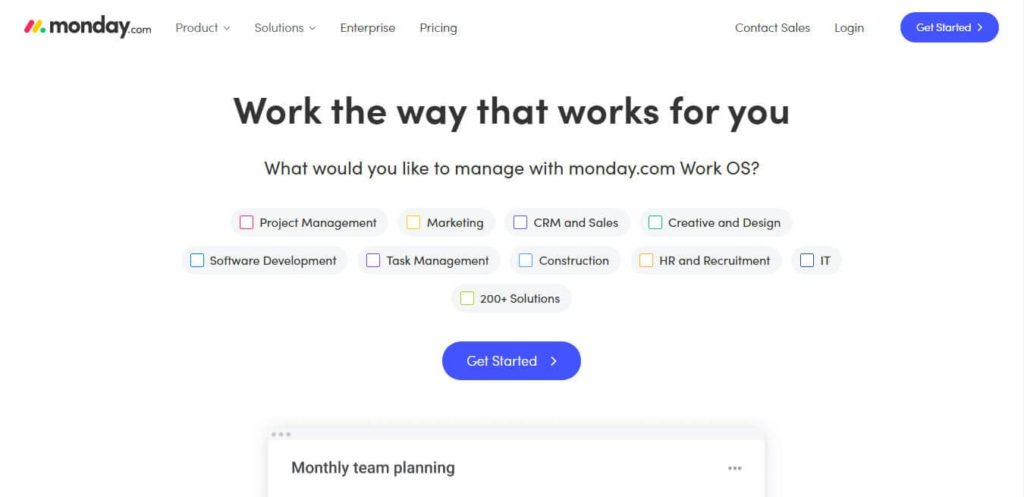
monday.com is a versatile work operating system designed to manage projects, tasks, and workflows. It is a flexible tool that supports teams using Agile frameworks like Scrum or Kanban. With customizable boards, teams can create and track user stories, prioritize tasks, and plan sprints, all while maintaining visibility into project progress.
monday.com provides visual tools like Kanban boards, timelines, and Gantt charts, which help Agile teams monitor sprint progress, manage backlogs, and identify bottlenecks. Its automation features streamline repetitive tasks, such as moving items between columns or sending reminders, saving time in fast-paced Agile environments.
Integrated communication tools enhance collaboration, allowing team members to share updates, leave comments, and upload documents. These tools support Agile practices like daily standups and sprint retrospectives. While not Agile-specific, monday.com can be tailored to fit various Agile workflows, balancing flexibility and structure.
Ratings
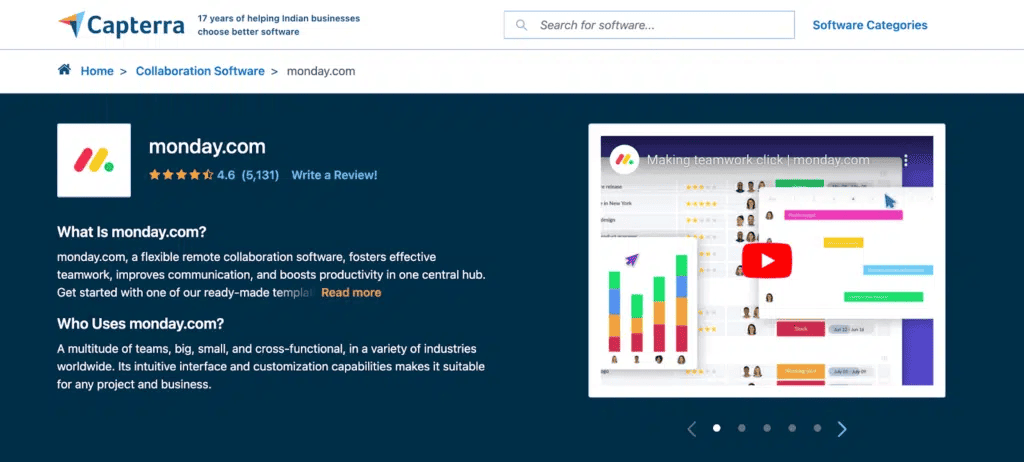
monday.com boasts an impressive rating on Capterra, with 4.6 out of 5 stars from 5,131 users.
Pros
- Customizable Workflows: monday.com offers flexibility to create and tailor workflows, making it easy to adapt to Agile methodologies like Scrum or Kanban.
- Visual Dashboards: The platform provides visual project tracking tools, such as Gantt charts, Kanban boards, and timeline views, that help teams monitor progress and sprints efficiently.
- Collaboration Features: Integrated communication features (e.g., tagging team members and sharing updates) make it easier to maintain transparency and teamwork, which is crucial for Agile’s iterative cycles and daily standups.
- Automation Capabilities: monday.com allows for automation of repetitive tasks such as setting due dates, reminders, or moving tasks across boards, saving time in Agile’s fast-paced environment.
Cons
- Steep Learning Curve for New Users: The range of customization and features can be overwhelming for new users, which might slow down onboarding for teams new to Agile or the tool itself.
- Limited Agile-Specific Features: While monday.com is adaptable to Agile, it lacks the depth of Agile-specific tools (like native Scrum backlogs and burndown charts) that other platforms offer, requiring extra configuration.
- Costly for Large Teams: The pricing model can become expensive as the team size grows, especially if you want access to premium features beneficial for Agile processes, like advanced reporting.
- Over-Reliance on Integrations: Some Agile features, such as advanced sprint planning or backlog management, might require third-party integrations, adding complexity and potential extra costs.
monday.com Pricing
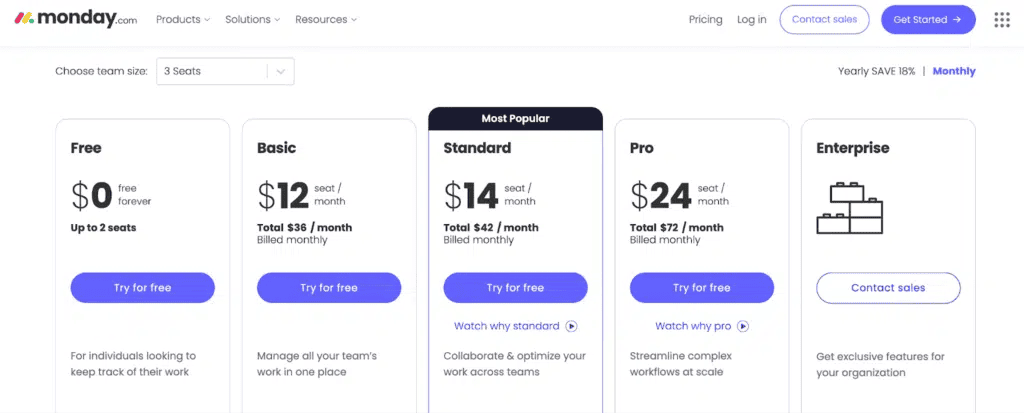
monday.com offers five pricing plans:
- Free: A newly introduced plan that is completely free of charge.
- Basic: This plan starts at 12 USD per seat per month.
- Standard: Pricing for this plan begins at 14 USD per seat per month.
- Pro: This plan starts at 24 USD per seat per month.
- Enterprise: For pricing details on this plan, please contact the monday.com sales team.
All plans come with an 18% discount when billed annually.
Read my monday.com review
2. nTask
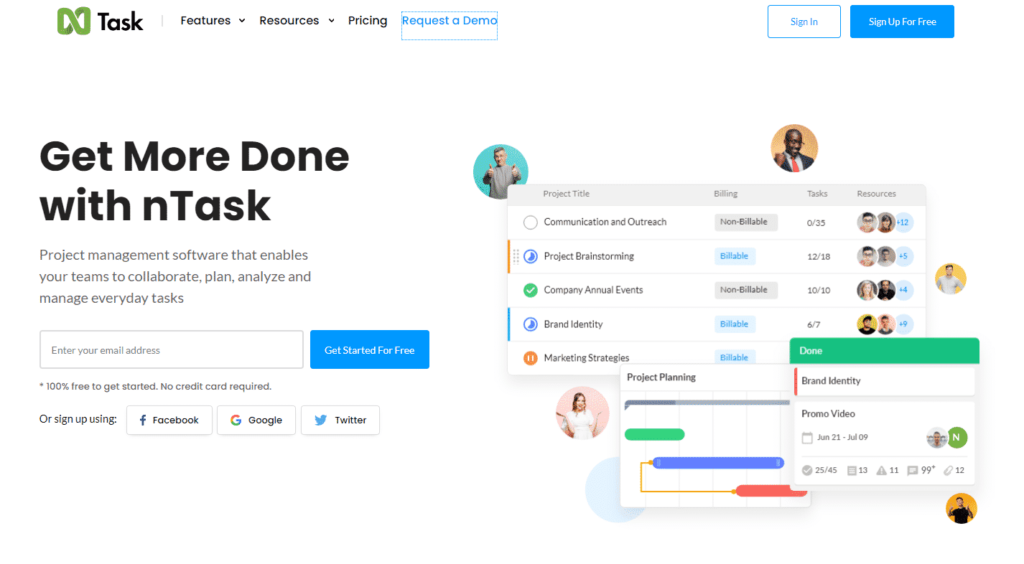
nTask is a project management tool designed to help teams organize tasks, track progress, and collaborate effectively. nTask provides essential features like task prioritization, Kanban boards, and sprint planning, making it a useful tool for teams working with Scrum or Kanban frameworks.
Agile teams can create user stories, assign tasks, and break down work into sprints, all while keeping track of progress through visual tools like task boards and lists. nTask’s time-tracking and issue-management features help Agile teams monitor how work is distributed, identify potential bottlenecks, and improve future sprint planning.
Collaboration is supported through built-in tools for team communication, meeting management, and file sharing, allowing smooth coordination during daily standups or sprint reviews. Although nTask is simple and easy to use, it offers key Agile functionalities without the complexity of more advanced platforms, making it an affordable option for small to mid-sized teams.
Ratings
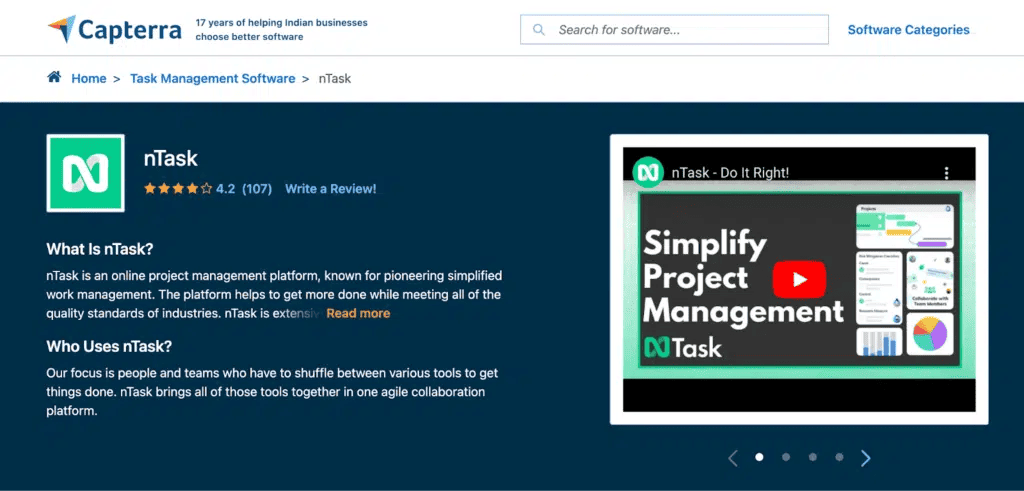
nTask has gotten a good 4.2 star rating out of 5 stars as given by 107 users.
Pros
- Built-in Agile Features: nTask includes native support for Agile frameworks, such as Kanban boards, task prioritization, and sprint management, making it suitable for teams using Scrum or Kanban.
- Easy-to-Use Interface: Its user-friendly interface and intuitive design make it easy for Agile teams to quickly adopt and manage tasks, reducing the learning curve compared to more complex tools.
- Task Collaboration and Meeting Management: nTask offers built-in collaboration features, like task commenting, file sharing, and meeting scheduling, which help Agile teams stay aligned and collaborate effectively during sprints and daily standups.
- Affordability: nTask is a more budget-friendly option, especially for small—to medium-sized Agile teams. It offers a good range of features even in the free or lower-tier pricing plans.
Cons
- Limited Reporting and Analytics: While nTask supports Agile frameworks, it lacks advanced reporting and analytics features, such as detailed burndown charts or sprint velocity tracking, essential for tracking Agile project progress.
- Scalability Issues: nTask may not be ideal for larger Agile teams or complex projects due to limitations in handling high volumes of tasks, users, or more advanced project configurations.
- Customization Limitations: Compared to other Agile tools, nTask offers less flexibility in customizing workflows, fields, or boards, which can limit its adaptability to more nuanced or specific Agile processes.
- Performance and Speed: Some users report occasional performance lags or slower response times when managing larger projects, which could hinder Agile teams that rely on fast-paced, real-time updates.
nTask Pricing
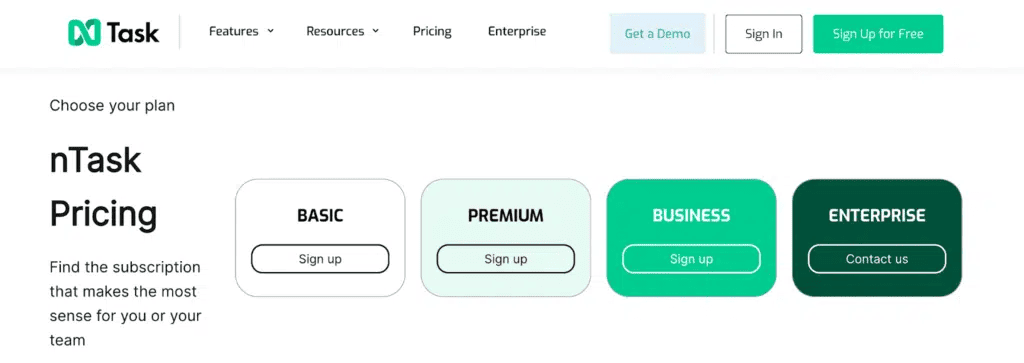
nTask offers four pricing plans:
- Basic: This is their free plan, providing essential features for users.
- Premium: This plan starts at 4 USD per month.
- Business: This plan is priced at 12 USD per month and includes additional features for growing teams.
- Enterprise: Please contact their sales team for pricing details on this plan.
If you opt for an annual subscription, you can enjoy discounted rates for the Premium and Business plans, which are 3 and 8 USD per month.
Read my nTask review.
3. ClickUp
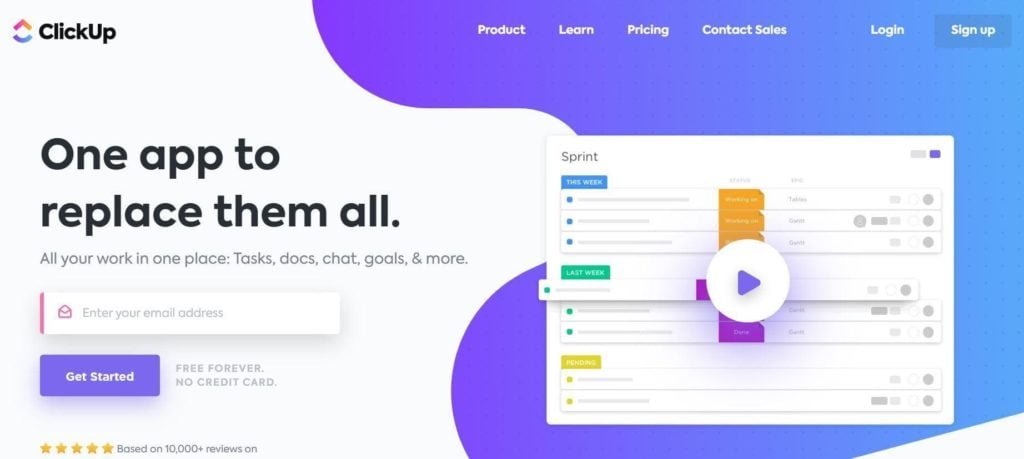
ClickUp is a comprehensive project management tool designed to handle diverse workflows and methodologies, making it highly suitable for Agile project management. It offers built-in features like sprint planning, backlog management, user stories, and Kanban boards, which allow Agile teams to organize their work efficiently and monitor progress.
ClickUp lets teams manage sprints with task prioritization, time tracking, and progress tracking through burndown charts and velocity reports. Agile teams can customize workflows, statuses, and task views (e.g., list, board, Gantt), adapting the tool to specific Agile frameworks like Scrum or Kanban.
The platform supports collaboration with real-time commenting, document sharing, and goal-setting tools, making it easier for teams to stay aligned during daily standups and sprint reviews. Its highly customizable nature and ability to handle complex workflows make ClickUp a versatile option for Agile teams of any size, allowing them to iterate quickly and continuously improve.
Ratings
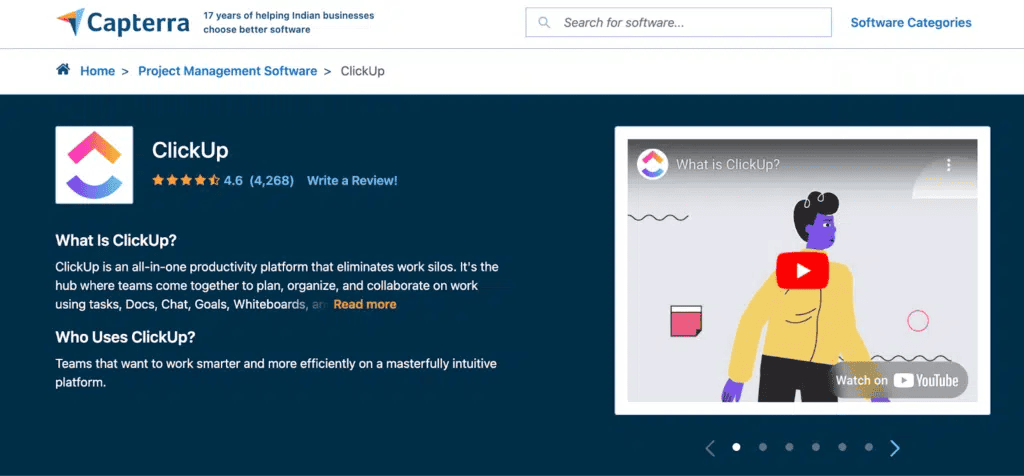
ClickUp boasts an impressive rating of 4.6 out of 5 stars based on reviews from 4,268 users.
Pros
- Comprehensive Agile Features: ClickUp supports Agile project management with features like Scrum and Kanban boards, sprint planning, burndown charts, and velocity tracking, allowing teams to manage their Agile workflows effectively.
- Highly Customizable: ClickUp offers deep customization options for task management, workflows, statuses, and views (list, board, Gantt, etc.), which allows Agile teams to tailor the tool to their specific methodologies and project needs.
- Time Tracking and Resource Management: ClickUp includes built-in time tracking and resource management features, making it easier for Agile teams to monitor sprint progress and manage team capacity.
- Collaboration and Communication: Integrated real-time collaboration tools, such as task comments, document sharing, and team chat, enable Agile teams to communicate effectively and stay aligned during sprints and standups.
Cons
- Complexity for New Users: Due to its extensive feature set and customization options, ClickUp can be overwhelming for new users, requiring a steeper learning curve, especially for Agile teams that are new to the tool or Agile methodologies.
- Performance Issues with Large Projects: Some users report performance slowdowns, especially when managing large Agile projects or handling complex workflows with numerous tasks and subtasks.
- Overwhelming Interface: The abundance of features and views can make the interface feel cluttered, hindering usability for teams that prefer simplicity and a clean user experience in their Agile project management tool.
- Advanced Features Locked Behind Paywall: While ClickUp offers a free tier, some of its more advanced Agile features, such as advanced reporting and integrations, are only available in higher-tier pricing plans, which may increase costs for larger teams or organizations.
ClickUp Pricing
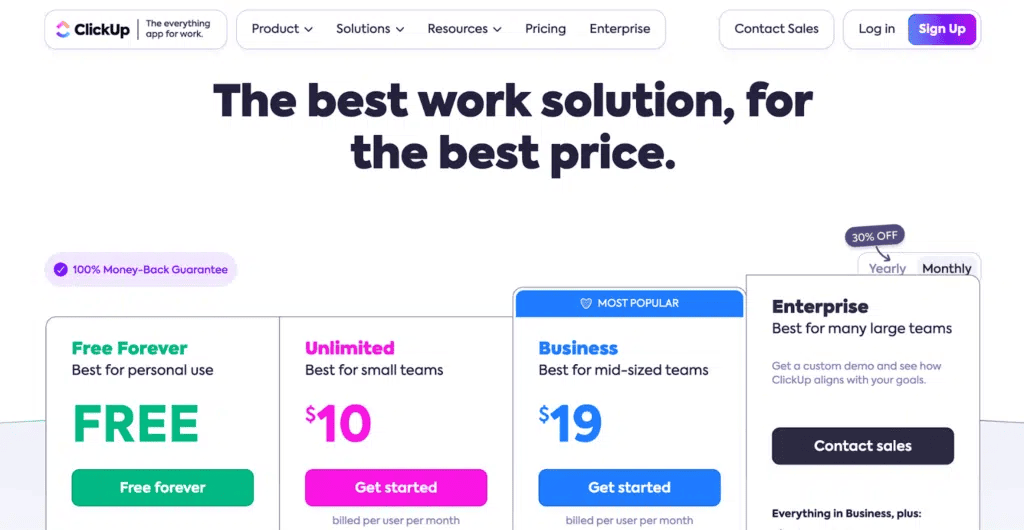
ClickUp offers four pricing plans:
- Free: A free plan that lasts indefinitely.
- Unlimited: This plan is priced at 10 USD per user per month.
- Business: This plan costs 19 USD per user per month.
- Enterprise: For pricing details on this plan, please contact the ClickUp team.
By subscribing to their pricing plans annually, you can enjoy a 30% discount.
4. Pivotal Tracker
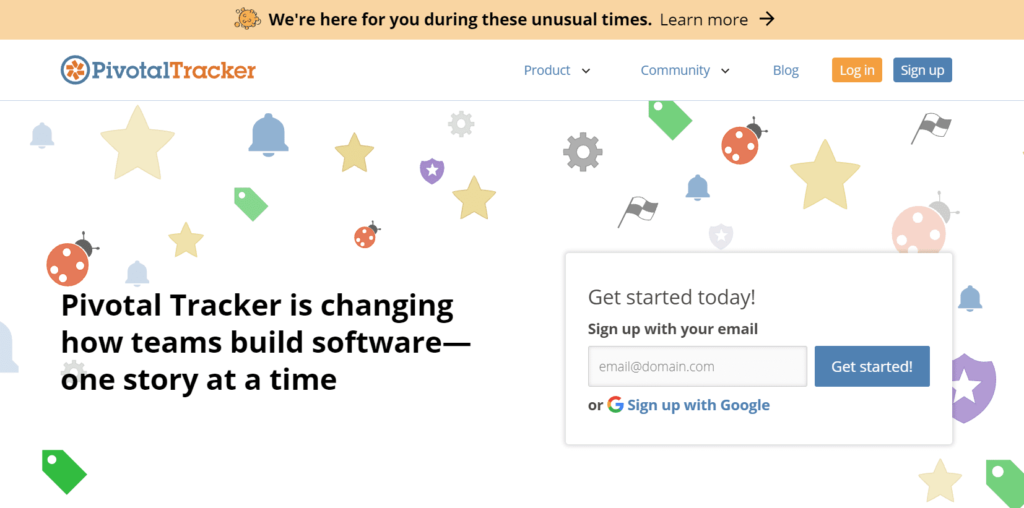
Pivotal Tracker is an Agile project management tool that supports teams using Scrum and other Agile methodologies. It focuses on user story management, allowing teams to create, prioritize, and track tasks efficiently throughout the development cycle. Pivotal Tracker’s intuitive interface enables Agile teams to visualize their progress via a dynamic backlog, where user stories are organized by priority and easily dragged into sprints.
Its key features include real-time collaboration, allowing team members to update stories, comment, and share feedback instantly. This is essential for maintaining alignment during daily standups and sprint retrospectives. The tool also provides automatic velocity tracking and burndown charts, enabling teams to measure performance accurately and forecast future sprints.
With a strong emphasis on simplicity and Agile principles, Pivotal Tracker helps teams focus on delivering value quickly and iteratively, making it a valuable asset for organizations looking to enhance their Agile practices.
Ratings

Pivotal Tracker has a decent 4.3 stars out of 5, rated by 150 users.
Pros
- Focused on Agile: Pivotal Tracker is specifically designed for Agile teams. It offers built-in features like story points, sprint planning, and velocity tracking, which help teams adhere to Agile principles without needing significant customization.
- User-Friendly Story Management: It offers an intuitive way to create and manage user stories, making it easy for Agile teams to prioritize tasks, track progress, and maintain focus on delivering value in each iteration.
- Real-Time Collaboration: Pivotal Tracker enables real-time collaboration, allowing Agile teams to update tasks, track progress, and communicate changes instantly, which is crucial for daily standups and maintaining team alignment during sprints.
- Automatic Velocity Calculation: The tool automatically tracks team velocity based on completed stories, helping Agile teams better estimate and plan future sprints by providing accurate, data-driven insights.
Cons
- Limited Customization: While Pivotal Tracker is streamlined for Agile processes, it offers limited customization options for workflows and task management. This can be a drawback for teams that need more flexibility in structuring their processes.
- Steeper Learning Curve for Non-Agile Teams: Teams unfamiliar with Agile or those transitioning from more flexible tools may find Pivotal Tracker’s strict adherence to Agile methodologies restrictive or challenging to adapt to.
- Basic Reporting Features: The tool lacks advanced reporting and analytics options, which can limit visibility into more detailed project performance metrics. These metrics are often important for larger Agile teams that need comprehensive insights.
- Not Ideal for Large Projects: Pivotal Tracker works best for small to medium-sized Agile teams. It can struggle with large, complex projects or teams that need more granular control over multiple projects and tasks simultaneously.
Pivotal Tracker Pricing
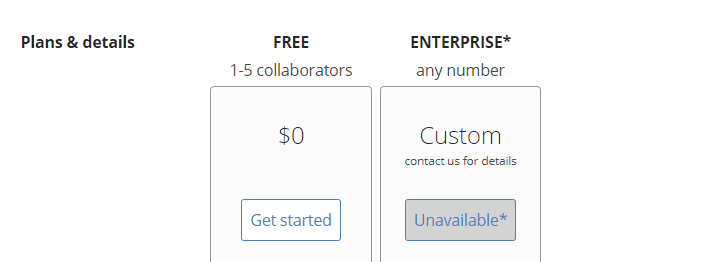
Pivotal Tracker has two pricing plans:
- Free: This plan is free for 1 to 5 collaborators.
- Enterprise: Contact customer care for pricing details.
5. Wrike

Wrike is a robust project management platform that facilitates collaboration, planning, and tracking across various teams and projects. In the context of Agile project management, Wrike offers customizable workflows and tools designed to support methodologies like Scrum and Kanban.
Agile teams can create visual boards to manage tasks, prioritize user stories, and track sprint progress in real time. Wrike’s Gantt charts and task dependencies allow teams to plan and visualize project timelines effectively, while built-in time tracking helps monitor team performance and resource allocation.
Collaboration features, such as real-time updates, comments, and document sharing, enhance communication among team members, making it easier to align during daily standups and sprint reviews. Wrike’s comprehensive reporting capabilities allow Agile teams to analyze project performance, identify bottlenecks, and improve future sprints. It is a valuable tool for teams seeking to optimize their Agile workflows.
Ratings

2,699 users have given Wrike a good score of 4.3 out of 5.
Pros
- Flexible Workflow Customization: Wrike offers customizable workflows, allowing Agile teams to tailor project boards, task statuses, and processes to fit Agile methodologies such as Scrum or Kanban. This makes it adaptable to different team needs.
- Robust Collaboration Tools: Wrike provides a range of collaboration features, such as task comments, document sharing, and real-time editing. These features help Agile teams stay aligned, especially during sprints and daily standups.
- Comprehensive Reporting and Dashboards: Wrike offers detailed reporting, customizable dashboards, and project analytics. Agile teams can track sprint progress, monitor performance, and generate insights to improve future sprints.
- Task Dependencies and Gantt Charts: For teams using Agile frameworks with elements of waterfall (e.g., hybrid methodologies), Wrike’s ability to map task dependencies and provide visual timelines (Gantt charts) enhances planning and visibility.
Cons
- Steep Learning Curve: Wrike’s extensive feature set and customization options can overwhelm new users, especially for Agile teams looking for a more streamlined or lightweight tool.
- Overkill for Small Agile Teams: Wrike’s advanced project management features may feel excessive for smaller Agile teams, particularly if they don’t need all the advanced reporting or complex workflow capabilities.
- Limited Agile-Specific Features: Although Wrike can be adapted for Agile, it doesn’t have native Agile tools (like sprint boards or burndown charts) built in. Some manual setup or third-party integrations are required to support Agile processes fully.
- Pricing: Wrike can become expensive as Agile teams grow, especially if they need access to advanced features like custom workflows, detailed reporting, or integration capabilities, which are available in higher-tier plans.
Wrike Pricing
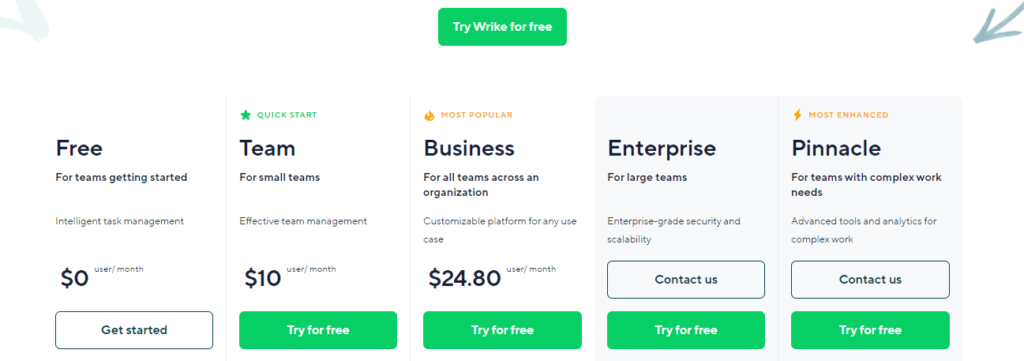
Wrike has five pricing plans:
- Free: This is a free plan.
- Team: The price is 10 USD per user per month.
- Business: The price is 24 USD per user per month.
- Enterprise: Contact customer care for pricing details.
- Pinnace: Contact customer care for pricing details.
Paid plans have a 14-day free trial.
Read my Wrike Review.
6. IceScrum
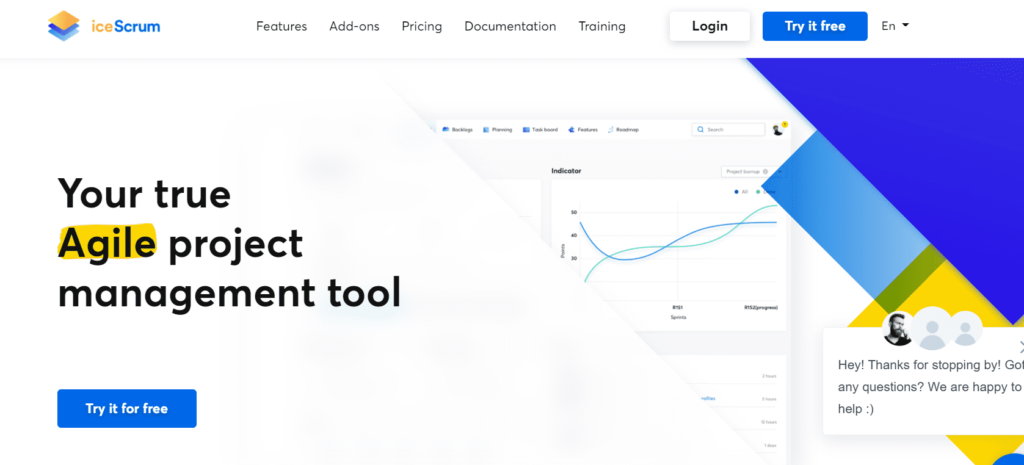
iceScrum is a dedicated Agile project management tool that supports teams using frameworks like Scrum and Kanban. It focuses on facilitating collaboration and enhancing productivity by providing tailored features for Agile practices.
iceScrum allows teams to manage product backlogs, create user stories, and prioritize tasks effectively. Its visual interface provides clear visibility into sprint progress, enabling teams to easily monitor completed work and identify bottlenecks.
iceScrum supports real-time collaboration through features like task comments and team notifications, promoting communication during daily standups and sprint reviews. It also offers built-in reporting tools, such as burndown charts, to help teams analyze performance metrics and improve their processes iteratively.
By providing a user-friendly and Agile-focused platform, iceScrum empowers teams to enhance their workflows, stay aligned on project goals, and deliver value incrementally while adhering to Agile principles.
Ratings

IceScrum has been rated 4.2 stars out of 5 by 21 users.
Pros
- Specifically Designed for Agile: iceScrum is built specifically for Agile methodologies like Scrum and Kanban. It offers core Agile features such as sprint planning, backlog management, user stories, and burndown charts out of the box, making it an excellent fit for Agile teams.
- Clear Visualization of Agile Workflows: The tool provides a clear, intuitive interface for managing sprints, tracking story progress, and monitoring team velocity, helping Agile teams stay organized and maintain visibility into project status.
- Team Collaboration Features: iceScrum supports real-time collaboration by enabling teams to share progress, updates, and feedback efficiently, which is essential for daily standups and sprint retrospectives in Agile.
- Open Source and Customizable: iceScrum offers an open-source version, making it highly customizable for teams that need specific features or want to adapt the tool to their unique Agile workflows. It is also cost-effective for smaller teams.
Cons
- Limited Integrations: Compared to other Agile project management platforms, iceScrum has fewer integrations with third-party tools, which may be challenging for teams that rely on external tools like Slack, Jira, or GitHub for collaboration and development.
- Steep Learning Curve for Beginners: Agile teams new to iceScrum or Agile methodologies might find the interface and functionality somewhat complex, particularly if transitioning from simpler project management tools.
- Basic Reporting: While iceScrum covers core Agile metrics like burndown charts, its reporting features are limited compared to more advanced tools. Agile teams looking for deep analytics, forecasting, or custom reports may find this lacking.
- Performance Issues for Larger Teams: iceScrum works well for small to medium-sized Agile teams but may experience performance or scalability issues when handling large projects, multiple teams, or high volumes of tasks and stories.
iceScrum Pricing Plans
You can use iceScrum in the cloud or install it on your server and use it locally.
iceScrum Cloud Pricing
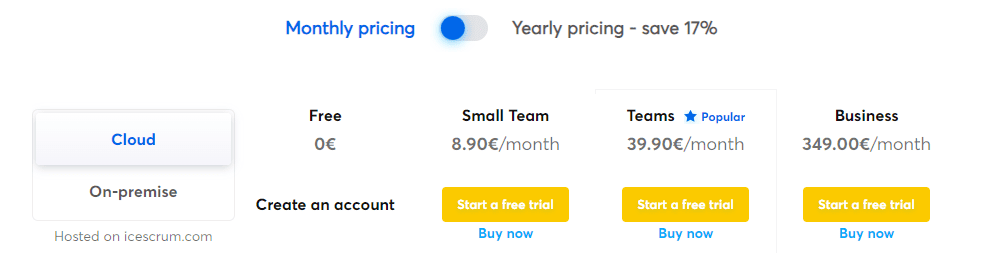
iceScrum Cloud has four pricing:
- Free: This is a free plan.
- Small Team: The price is 8.90 Euros per month.
- Teams: The price is 39.90 Euros per month.
- Business: The price is 349.00 Euros per month.
iceScrum On-Premise

iceScrum On-Premise also has four plans:
- Core: This plan is for free.
- Starter: The price is 990.00 Euros per year.
- Enterprise: The price is 2,990.00 Euros per year.
- Corporate: The price is 9,990.00 Euros per year.
You can also use the 14-day free trial offer on all paid plans.
Let’s move on to the last Agile project management software.
7. ActiveCollab
ActiveCollab is a project management and collaboration tool designed to help teams organize their work and enhance productivity. ActiveCollab provides essential features that support Agile methodologies like Scrum and Kanban.
Agile teams can utilize ActiveCollab to create and prioritize tasks, manage user stories, and visualize workflows through Kanban boards. This allows teams to track progress during sprints efficiently and maintain clarity on task responsibilities. The platform also includes time tracking and invoicing features, which are particularly useful for teams working on client projects or in consultancy roles.
Collaboration is facilitated through built-in communication tools, such as comments and file sharing, ensuring team members can easily discuss updates and share feedback during daily standups or sprint reviews. While it may lack some advanced Agile-specific features, ActiveCollab’s user-friendly interface and essential project management capabilities make it a viable option for teams adopting Agile practices.
Ratings

402 teams have rated ActiveCollab with a score of 4.5 out of 5 stars.
Pros
- Simple and User-Friendly Interface: ActiveCollab has an easy-to-navigate, clean interface, making it accessible for Agile teams, especially those looking for a straightforward tool to manage sprints, tasks, and workflows without much complexity.
- Time Tracking and Invoicing Features: It includes built-in time tracking and invoicing, which can be helpful for Agile teams working in consulting or freelancing environments, where tracking billable hours alongside sprint progress is essential.
- Task and Workflow Management: ActiveCollab allows Agile teams to create task lists, set priorities, and assign deadlines. It also supports Kanban-style boards, making it easier to visualize tasks during sprint planning and execution.
- Collaboration Tools: Integrated collaboration features, such as task comments, file sharing, and real-time updates, help Agile teams stay aligned during daily standups and communicate effectively throughout the sprint.
Cons
- Limited Agile-Specific Features: While it supports task management and Kanban boards, ActiveCollab lacks deeper Agile-specific tools like sprint planning, velocity tracking, or burndown charts, making it less tailored for teams strictly following Agile frameworks.
- No Native Backlog Management: Product backlog management is crucial for Agile teams, but ActiveCollab does not offer native backlog management features, requiring teams to find workarounds or use third-party integrations.
- Advanced Features Behind Paywall: Some key features that Agile teams may need, such as advanced reporting, time estimates, and automation, are only available in the higher-tier pricing plans, which could increase costs.
- Limited Reporting and Analytics: ActiveCollab’s reporting and analytics capabilities are relatively basic compared to other Agile tools. This could be a drawback for teams that rely on detailed sprint performance metrics, forecasting, or customized reports.
Active Collab Pricing
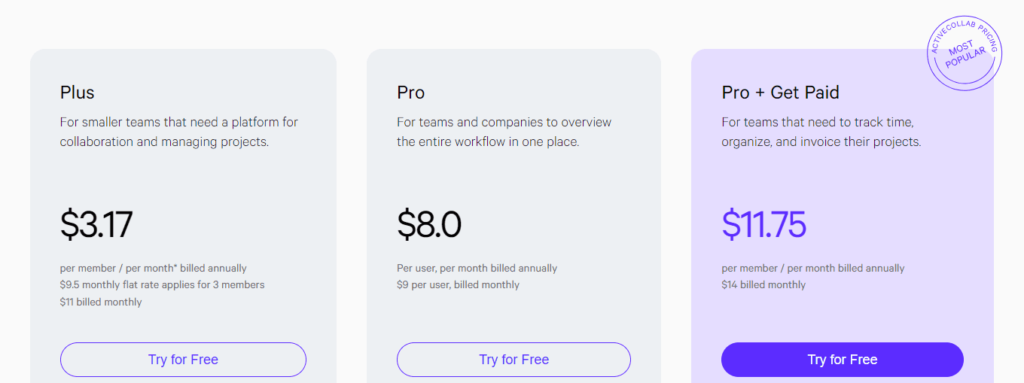
ActiveCollab has three pricing plans:
- Plus: The price is 3.17 USD per user per month for three users.
- Pro: The price is 8.00 USD per user per month.
- Pro + Get Paid: The price is 11.75 USD per user per month.
Along with the Free plan, you get a 14-day free trial of the paid plans.
How to Select the Best Agile Project Management Software?
Choosing the best Agile project management software requires careful evaluation of your needs, budget, and key features that align with your goals.
The following guidelines can help you decide on a suitable Agile software for your project:
1. Team Size
- Small Teams: Tools like nTask and ClickUp are ideal for smaller, agile teams. They offer simplicity and essential features without overwhelming complexity.
- Medium to Large Teams: For larger or more complex projects, monday.com, Wrike, and Pivotal Tracker provide robust project tracking, reporting, and collaboration features that scale with team size.
2. Budget
- Low Budget: Free plans or affordable tiers are crucial for startups or small businesses. ClickUp and nTask offer competitive free versions, with affordable upgrades if needed.
- Higher Budget: Larger enterprises or teams that need advanced features may benefit from investing in monday.com, Wrike, or ActiveCollab, which offers premium plans with comprehensive collaboration and reporting tools.
3. Specific Features
- Collaboration: monday.com and Wrike excel in fostering team collaboration with visual task boards, real-time updates, and integration with other tools.
- Customization: ClickUp is highly customizable, allowing teams to tailor workflows and dashboards to their needs.
- Agile-Focused Tools: Pivotal Tracker and IceScrum are built specifically for agile teams. They offer sprint planning, backlog management, and user story tracking.
- Time Tracking & Invoicing: If you need built-in time tracking and billing, ActiveCollab offers strong financial features alongside project management capabilities.
Considering these factors, you can select the best agile project management software that fits your team’s size, budget, and project requirements.
The following table provides you a quick look at the key features of all seven Agile software discussed in this post:
| Software | Best for Team Size | Budget | Key Features |
| monday.com | Medium to Large Teams | Higher budget | Highly visual task boards, collaboration, automation |
| nTask | Small to Medium Teams | Low budget | Simple task management, meeting scheduling, time tracking |
| ClickUp | Small to Large Teams | Low to moderate budget | Customizable workflows, dashboards, integrations |
| Pivotal Tracker | Agile Development Teams | Moderate budget | Sprint planning, backlog management, user story tracking |
| Wrike | Medium to Large Teams | Higher budget | Task management, real-time updates, reporting, integrations |
| IceScrum | Agile-Focused Teams | Low to moderate budget | Agile-specific features: sprints, backlog, user stories |
| ActiveCollab | Medium Teams | Moderate to higher budget | Time tracking, invoicing, team collaboration |
Conclusion
The right agile project management software is essential for optimizing team collaboration, streamlining workflows, and enhancing productivity. Each of the seven tools highlighted in this article offers unique features tailored to different team needs, from robust project tracking to seamless integrations and customizable dashboards. Whether you’re a small startup or a large enterprise, these solutions provide the flexibility and scalability required to adapt to evolving project demands.
By choosing the best fit for your team, you can ensure efficient project delivery, foster innovation, and stay competitive in today’s fast-paced business environment.
Disclosure: Some of the links above are affiliate links, and I will earn a commission if you purchase after clicking. Please understand that I recommend these resources because they are useful, not because of the commissions I make. Please do not purchase unless you feel that the materials will help you achieve your goals. Thank you for your support.

I am Mohammad Fahad Usmani, B.E. PMP, PMI-RMP. I have been blogging on project management topics since 2011. To date, thousands of professionals have passed the PMP exam using my resources.